
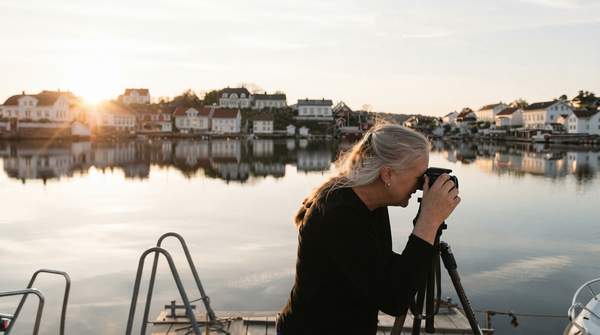
While most vacations aim for escape, slow travel offers something more profound: the emotional space to reflect, realign, and discover what truly matters, according to ramonamag. This deliberate deceleration allows for deep internal processing, moving beyond superficial exploration to foster genuine personal growth and well-being.
The modern travel industry often pushes for seeing more places faster, yet genuine personal growth and sustainable impact are achieved by slowing down and engaging deeply with fewer destinations. The tension between speed and depth reveals a fundamental disconnect in how many approach their journeys.
As the negative impacts of fast-paced mass tourism become undeniable, slow travel is poised to become the preferred mode for conscious travelers seeking authentic, enriching, and responsible experiences, shaping the future of sustainable tourism.
Slow tourism advocates for a deliberate deceleration of the travel experience, encouraging visitors to spend more time in fewer places, according to interregeurope. This fundamental shift from prioritizing quantity of destinations to quality of engagement defines slow travel, setting it apart from the rushed itineraries of mass tourism.
Travelers embrace this philosophy to immerse themselves fully in local cultures and environments. It means choosing a single region for an extended stay rather than hopping between multiple cities. Choosing a single region for an extended stay allows for a deeper understanding of a place's rhythms and people.
The Personal Transformation: Growth and Well-being
The prevailing travel industry's emphasis on rapid, multi-destination itineraries actively undermines the core psychological benefits consumers seek from a vacation, despite findings that slow-paced tourism enhances individual well-being and facilitates personal growth, according to tandfonline. The disconnect between the industry's emphasis and slow-paced tourism's benefits shows how fast travel prioritizes external exploration over internal processing.
By allowing for deeper engagement and reflection, slow travel moves beyond mere sightseeing. It becomes a catalyst for profound personal enrichment, creating the "emotional space for reflection and realignment, leading to noticing what actually matters," as noted by ramonamag. This internal discovery is a key, often overlooked, benefit of deceleration.
Cultivating Connection: Becoming a Temporary Local
When traveling slowly, individuals often become a familiar face within their chosen destination, fostering a genuine sense of belonging, states ramonamag. Deeper integration moves beyond the superficial interactions typical of quick visits.
Beyond fleeting tourist exchanges, this immersive approach allows for authentic cultural immersion. Travelers engage with local residents, participate in daily life, and contribute to the community. This reciprocity enriches both the visitor's experience and the host community, building lasting connections.
A Sustainable Path: Protecting Places and Cultures
Slow tourism actively helps mitigate overtourism, reduces carbon footprints, and preserves intangible cultural assets, according to research published in nature. This contrasts sharply with the environmental and cultural strain caused by high-volume, fast-paced tourism.
True sustainable tourism cultivates a deeper, reciprocal relationship between traveler and destination, extending beyond just carbon footprints. The *nature* journal’s findings on mitigating overtourism, combined with *ramonamag*’s insight into fostering a sense of belonging, suggest sustainability is also about human integration and respect for local identity. By consciously reducing impact and supporting local authenticity, slow travel offers a viable model for responsible and ethical tourism.
Why Slow Travel Matters Now More Than Ever
In an era of increasing environmental awareness and a growing desire for authentic experiences, slow travel provides a compelling and necessary alternative to conventional tourism. The model addresses both the personal search for meaning and the urgent need for ecological preservation.
Slow travel counters the detrimental effects of mass tourism, which often strains local resources and diminishes genuine cultural exchange. By prioritizing depth over breadth, slow travel aligns with a global shift towards conscious consumption and responsible engagement, benefiting individuals, communities, and the planet.
Your Slow Travel Questions Answered
What are practical tips for practicing slow travel?
To begin slow traveling, choose one specific region or city instead of multiple destinations. Book accommodations that allow for longer stays, like apartments or guesthouses, and prioritize local public transportation or walking. Engage with local markets and learn a few phrases of the local language to enhance immersion.
How can budget travelers adopt a slow travel mindset?
Budget-conscious travelers can embrace slow travel by focusing on fewer, longer stays, which often reduces overall transportation costs. Opt for cooking meals with local ingredients bought from markets, utilize free walking tours, and seek out free cultural events. Staying in hostels or homestays also provides opportunities for local interaction and cost savings.
What is the ideal duration for a slow travel trip?
There is no single ideal duration, as it depends on the destination and personal goals. However, a stay of at least one week in a single location is generally recommended to begin fostering a sense of immersion. Many slow travelers prefer two to four weeks, allowing ample time to explore, relax, and connect with the community without rushing.


