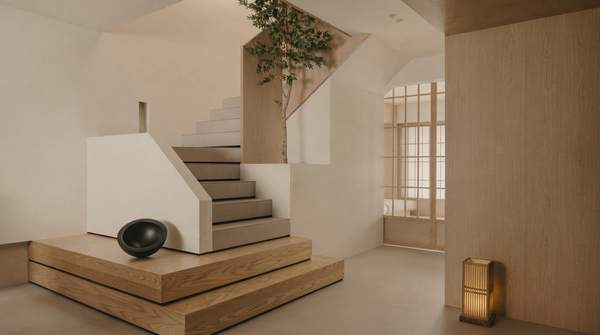
In the bustling density of urban life, where space is a luxury and the pace is relentless, minimalist design has emerged as more than an aesthetic—it is a practical philosophy for modern living. For those in small apartments, this approach offers a serene and functional contrast to the chaos outside. By prioritizing simplicity, functionality, and calm, minimalism transforms compact quarters into harmonious retreats. The practice strips away the non-essential to create an environment that enhances both physical space and mental well-being, offering clarity and tranquility.
At its core, minimalism is about intentionality. It involves carefully selecting only the elements that serve a clear purpose, turning a small apartment into a stylish and functional sanctuary. This design philosophy is not about stark emptiness but about creating purposeful spaces that contribute to a more balanced and fulfilling lifestyle. Through an emphasis on clean lines, open layouts, and neutral color palettes, minimalism fosters a sense of order and peace, making a home feel organized, visually restful, and easy to maintain.
Your Minimalist Decluttering Checklist
The foundational step in creating a minimalist home is a thoughtful and systematic reduction of clutter. This process is less about discarding possessions and more about curating them, ensuring that every object in your home has earned its place. The objective is to eliminate visual distractions and retain only what is essential, functional, or deeply meaningful. This intentional approach encourages a focus on quality over quantity and transforms the often-overwhelming task of decluttering into a series of clear, purposeful decisions. The following framework is designed to guide you through evaluating each item in your apartment.
| The Question to Ask | The Minimalist Rationale |
|---|---|
| 1. Does this item have a clear and practical function? | Minimalism prioritizes functionality. According to this principle, every object should justify its presence through its utility. This question forces an assessment of whether an item actively supports your daily life or is simply taking up valuable space. |
| 2. Is this item essential for my comfort or well-being? | This helps distinguish true necessities from accumulated possessions. It encourages a focus on items that actively improve your quality of life, from a comfortable reading chair to cherished artwork that brings you joy, ensuring your home is a true sanctuary. |
| 3. Does this item contribute to a visually calm and uncluttered environment? | Minimalism aims to reduce the visual noise that can contribute to stress. An item might be functional, but its shape, color, or condition could still create a sense of messiness. This question helps identify and address sources of visual clutter. |
| 4. Am I keeping this intentionally, or simply out of habit or obligation? | This prompts a conscious evaluation of your belongings. It challenges you to move beyond passive ownership and actively choose the elements that define your personal space, freeing you from items kept for reasons that no longer apply. |
Smart Furniture: The Principle of Multi-Functionality
In a small apartment, every piece of furniture must justify its footprint. As urban living spaces have become more compact, designers have increasingly focused on multi-functional and transformable furniture to meet the needs of city dwellers. This approach is central to minimalist design, where utility and style are intertwined. The guiding principle is that a small apartment cannot afford to carry "dead weight," as noted by Gorins Furniture & Mattress. Selecting furniture that serves multiple purposes is one of the most effective strategies for optimizing a home without sacrificing comfort or aesthetics.
Look for pieces that combine elegant form with hidden function. For example, a sofa that includes built-in storage can eliminate the need for a separate bulky cabinet, maintaining clean lines and preserving open floor space. In an entryway, a slim console table with a decorative tray can provide a designated spot for keys and mail, preventing clutter from accumulating on other surfaces, a tip recommended by interior designer Sarah Stacey. This functional approach ensures that each item works hard to make your apartment more livable and organized, embodying the minimalist ideal that every piece should earn its place.
Designing for Spaciousness: Layout, Light, and Color
Strategic design choices can dramatically alter the perception of space in a small apartment, making it feel larger, brighter, and more open. Minimalist design leverages a cohesive strategy of color, layout, and light to create an airy and expansive atmosphere. The foundation of this approach is a neutral color palette. Light shades such as white, gray, and beige are particularly effective because they reflect natural light, making even compact rooms appear more spacious, according to an article by Sarah Rudge for Modern Home Builders magazine.
Starting with a soft, neutral base for walls and large furniture creates a versatile and calming backdrop. However, a limited color palette does not have to be sterile. An article on HGTV advises that you shouldn't be afraid to introduce personality through texture and pattern. As long as they fit within your curated color scheme, items like pillows, rugs, and throws can add depth and warmth without overwhelming the space. This principle extends to the physical layout, where clean lines and open-concept living allow rooms to "breathe." A key characteristic of minimalism, as described by the design firm Kessaku, is the deliberate use of negative space—treating emptiness not as a void to be filled, but as a powerful design element that contributes to a visually restful and organized environment.
Transform Your Small Space: A Minimalist Decision
Adopting a minimalist approach is a deliberate choice to prioritize clarity, function, and peace in your living environment. It moves beyond simple decorating and becomes a method for crafting a more intentional lifestyle. For those in small urban apartments, the benefits are immediate and tangible, turning the constraints of limited square footage into an opportunity for thoughtful, high-impact design. By focusing on what is essential, you create a home that is not only stylish and orderly but also a genuine support for your well-being.
Commit to a minimalist approach by systematically decluttering and selecting multi-functional, aesthetically simple items to create a more spacious, functional, and serene urban apartment. The success of this transformation is not measured by what you remove, but by the purpose and quality of what remains. The result is a home that serves as a true retreat, designed to reduce stress and enhance daily life. A noticeable reduction in visual clutter, increased open floor space, and a feeling of calm and order in your living environment will be the clear indicators of your success.
Sources
- 20 Minimalist Apartment Design Tips — Apartment Living Tips - Apartment Tips from ApartmentGuide.com
- Minimalist Apartment Design Ideas for Urban Living — Kessaku
- Small Apartment Design Ideas on a Budget: 8 Tips — Gorins Furniture & Mattress - Norwich, CT Local Furniture Store
- Mastering Minimalist Apartment Design Focusing on Stylish Simplicity for Modern Living — Modern Home Builders magazine
- How to Embrace Minimalism in Your Tiny Apartment — HGTV