Abidjan: An Underrated Global City for Art and Culture

In just two years, a nationwide graffiti festival in Abidjan has transformed public perception, shifting street art from vandalism to a celebrated cultural expression.

AV
Adrian Vale

May 4, 2026 · 6 min read

Vibrant street art and graffiti murals transforming public spaces in Abidjan, with locals engaging enthusiastically with the urban art.

In just two years, a nationwide graffiti festival in Abidjan has transformed public perception, shifting street art from vandalism to a celebrated cultural expression. This initiative has rapidly integrated street art into the city's fabric, impacting how residents view and interact with their urban environment.

Dakar has historically been the undisputed center of West African contemporary art, but Abidjan's recent surge in cultural initiatives is rapidly creating a powerful new contender. This dynamic sets up a significant challenge to the region's established art hierarchy.

Based on its strategic investments in diverse art forms and public engagement, Abidjan appears poised to redefine the regional art hierarchy and attract significant international attention. Its aggressive strategy of integrating street art and fostering public engagement is rapidly positioning it to eclipse Dakar as West Africa's premier contemporary art capital within the next five years.

Abidjan's explicit ambition to challenge Dakar's traditional role in the West African art scene signals a deliberate effort to cultivate a new cultural identity and attract global attention, according to The Guardian. This positioning places Abidjan among the underrated global cities for art and culture in 2026, offering new avenues for exploration for art lovers.

1. Abidjan Art Week

Best for: International collectors and regional patrons.

Abidjan Art Week held its third edition in 2024, indicating a consistent platform for contemporary art. Participating galleries in the third edition of Abidjan Art Week more than doubled, according to The Guardian, showcasing significant growth in local engagement and commercial interest.

Strengths: Established presence; growing gallery participation. | Limitations: Primarily targets established art market. | Price: Varies by gallery and artwork.

2. Night of the Galleries

Best for: Local art enthusiasts and casual visitors.
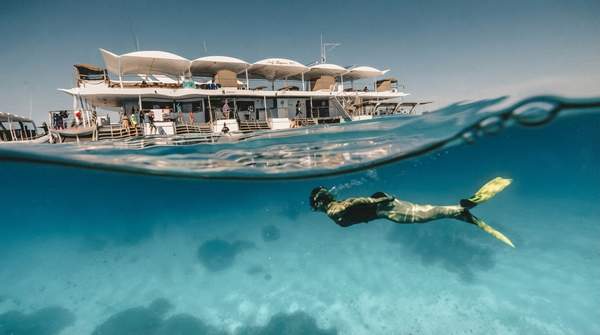
The Night of the Galleries event was first tested in January 2024, allowing galleries to remain open until midnight. This initiative aims to make art more accessible and foster public engagement beyond typical hours, as reported by The Guardian.

Strengths: Increased accessibility; unique viewing experience. | Limitations: New initiative, scale still developing. | Price: Free entry to most galleries.

3. Africa Foto Fair at MuCAT

Best for: Photography collectors and contemporary visual artists.

MuCAT has consistently hosted the Africa Foto Fair since 2022, solidifying Abidjan's role as a regional hub for photographic art. This event provides a dedicated space for African photographers to exhibit and gain recognition, according to The Guardian.

Strengths: Specialization in photography; consistent annual event. | Limitations: Niche focus compared to general art fairs. | Price: Fair entry fees; artwork prices vary.

4. Basquiat Art Gallery

Best for: Collectors interested in established and emerging Ivorian artists.

Inaugurated in May 2014, the Basquiat Art Gallery is a significant private institution contributing to Abidjan's art infrastructure. It provides a platform for both established and emerging artists, as noted by Onart Media.

Strengths: Long-standing presence; diverse artist representation. | Limitations: Private gallery, limited public programming. | Price: Artwork prices vary.

5. RIANA Event

Best for: Art professionals and cultural researchers.

The RIANA event took place in 2017, demonstrating earlier efforts to organize and promote the region's art scene. While not an annual event, it marked a point of convergence for art professionals, according to Onart Media.

Strengths: Historical significance in scene development. | Limitations: Not a recurring event. | Price: N/A (past event).

6. Galerie des Arts

Best for: Emerging collectors and local artists seeking representation.

Established in 2022, Galerie des Arts represents a newer addition to Abidjan's growing gallery circuit. Its recent establishment signals continued investment and expansion within the city's private art sector, as detailed by Onart Media.

Strengths: Modern space; focus on contemporary works. | Limitations: Relatively new, still building reputation. | Price: Artwork prices vary.

7. Nationwide Graffiti Festival

Best for: Public art enthusiasts and community engagement initiatives.

Instituted in 2024, this nationwide festival has actively shifted public perception of graffiti. It transformed street art from perceived vandalism into celebrated cultural expression across Abidjan, as reported by The Guardian.

Strengths: Broad public reach; redefines art accessibility. | Limitations: Ephemeral nature of some works. | Price: Free public viewing.

8. Increased Gallery Participation

Best for: Art market analysts and investors.

The number of participating galleries in the third edition of Abidjan Art Week has more than doubled. The doubling of participating galleries in the third edition of Abidjan Art Week indicates a robust and expanding commercial art sector, attracting more artists and dealers to the city, according to The Guardian.

Strengths: Demonstrates market growth; increased artist representation. | Limitations: Specific to Art Week, not entire year. | Price: N/A (market metric).

New Institutions Driving the Scene

FeatureMuCATBasquiat Art GalleryGalerie des Arts
Type of InstitutionMuseum (focus on contemporary African art)Private Art GalleryContemporary Art Gallery
Establishment / ImpactHosting Africa Foto Fair since 2022Inaugurated May 2014Established 2022
Primary FocusPhotography, regional artistic exchangeIvorian and West African contemporary artistsEmerging contemporary art
Public EngagementAnnual fair, significant public visibilityExhibitions, private viewingsExhibitions, artist representation
Strategic RoleAnchors Abidjan as a regional platformLong-standing commercial art presenceExpands the city's modern art market

Transforming Public Perception of Art

Abidjan's strategy extends beyond traditional gallery spaces. The nationwide graffiti festival, instituted in 2024, has notably shifted public perception of graffiti, transforming it from vandalism to celebrated art, according to The Guardian. Rapid re-evaluation of street art demonstrates a deliberate push to integrate art into daily urban life.

By embracing and legitimizing street art, Abidjan fosters a more inclusive and accessible art culture that resonates with a broader public, suggesting a resilient cultural ecosystem. This approach offers a more dynamic entry point than traditional art markets for companies and investors interested in West African culture.

Innovative Approaches to Engagement

Abidjan's cultural initiatives extend to innovative public engagement. The Night of the Galleries event, first tested in January 2024, saw galleries remain open until midnight, as reported by The Guardian. This strategy makes art more accessible and exciting for both residents and visitors.

The rapid proliferation of new and recurring events, like the third Abidjan Art Week and this inaugural Night of the Galleries, signals that Abidjan is not just participating in the regional art scene, but actively orchestrating a takeover, demanding attention from global art institutions. Abidjan's deliberate cultivation of both street-level and institutional art suggests a robust and sustainable cultural ecosystem, designed to outlast and outperform more singularly focused art hubs.

Your Questions About Abidjan's Art Scene

What makes Abidjan a rising art and culture destination?

Abidjan's ascent stems from a multi-pronged strategy that combines institutional development with public art integration. Events like the third Abidjan Art Week and the inaugural Night of the Galleries showcase its formal art market, while the nationwide graffiti festival actively reshapes public perception of street art. This dual approach fosters a more inclusive and dynamic cultural environment.

How does Abidjan compare to established art hubs like Dakar?

While Dakar has historically dominated West African contemporary art, Abidjan's rapid expansion of cultural initiatives presents a powerful challenge. Abidjan's approach, which includes legitimizing street art and consistently hosting significant events like the Africa Foto Fair at MuCAT since 2022, suggests a more inclusive and potentially resilient cultural ecosystem. This contrasts with more traditional approaches. art market focuses.

What opportunities does Abidjan's art scene offer for investors and artists?

Companies and investors looking to engage with West African culture will find Abidjan's strategy of public art integration, particularly through its graffiti festival, offers dynamic entry points beyond traditional markets. For artists, the city provides increasing visibility through events like the third edition of Abidjan Art Week, which has seen gallery participation more than double, alongside dedicated platforms like the Basquiat Art Gallery and Galerie des Arts.