What are the benefits of slow travel for immersion and well-being?

In 2025, destinations like Brazil saw a 37% surge in tourism, a boom fueled by aggressive promotion and new attractions.

AV
Adrian Vale

April 29, 2026 · 3 min read

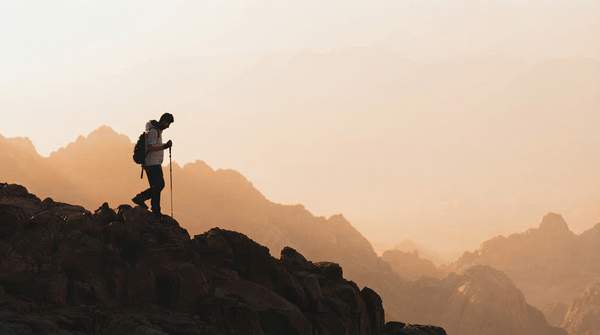
A lone traveler walking on a scenic path, experiencing deep immersion and well-being through slow travel in a beautiful natural setting.

In 2025, destinations like Brazil saw a 37% surge in tourism, a boom fueled by aggressive promotion and new attractions. Yet, this rapid expansion unfolds against increasing expert warnings of overtourism and a growing traveler desire for slower, more intentional journeys. The sheer volume of visitors, while boosting immediate economic figures, masks deeper societal currents.

This divergence between prevailing industry practices and evolving traveler priorities is stark. As awareness grows regarding psychological ill-being from fast-paced lives and the environmental impact of mass tourism, a significant shift towards mindful, sustainable travel appears likely. This challenges the very foundations of high-volume tourism.

In 2025, Brazil's 37% tourism surge, reported by BBC, was fueled by Embratur's 2024 program attracting new international flights. Egypt similarly saw 20% growth, driven by the Grand Egyptian Museum's opening, per BBC. This aggressive pursuit of rapid growth, while yielding immediate economic gains, often ignores deeper impacts. The industry, chasing short-term volume, risks a looming crisis of traveler burnout and dissatisfaction, especially when juxtaposed with PMC's findings on psychological ill-being in high-speed societies.

Beyond the Checklist: Defining Slow Travel

In Egypt, operators already promote curated experiences like small dahabiyas on the Nile, a deliberate alternative to large cruise ships, reports BBC. This embodies slow travel: prioritizing deep, authentic engagement and extended stays over hurried itineraries and landmark checklists. It's a deliberate choice for depth over breadth, favoring meaningful cultural interactions and environmental understanding. The BBC predicts a return to such intentional travel by 2026, suggesting destinations clinging to volume-driven models will quickly fall out of step with evolving traveler priorities and sustainability demands.

The Restorative Power of a Deliberate Pace

Slow adventure, drawing from the global slow movement and Scandinavian friluftsliv, offers an antidote to widespread psychological ill-being, states PMC. This deliberate pace directly counters the stress of fast-paced modern life, with even short nature-breaks providing therapeutic and restorative power, per the same PMC research. Slow travel, by offering respite from constant stimulation, addresses the very conditions rapid tourism often exacerbates. The tension is clear: booming tourist numbers may be fueling the conditions that make slow travel so appealing, creating a future demand crisis for high-speed tourism itself.
The Unseen Toll of High-Speed Tourism

Algorithmic recommendations, intended to personalize travel, inadvertently fuel overtourism, warn sustainability experts via BBC. These digital pathways, efficient as they are, concentrate visitors in popular spots, straining local resources and eroding experience quality. Time deprivation, a direct consequence of high-speed societies, per PMC, translates into travel habits where speed and volume eclipse depth. Modern travel's efficiency often sacrifices environmental health and traveler well-being. The fact that tech platforms inadvertently accelerate overtourism demands a fundamental re-evaluation of how travel is promoted and consumed.

Why the Shift to Slow Travel is Imperative Now

A return to slower, more intentional travel is anticipated by 2026, reports BBC. This is not a fleeting trend but a market correction, driven by the restorative power of nature breaks and a clear antidote to high-speed society's psychological toll. Rapid, volume-driven tourism has inadvertently accelerated this shift, compelling travelers to prioritize mental well-being and genuine cultural immersion over mere speed and novelty. Current travel patterns are unsustainable for both people and planet, making this shift a societal imperative.

Common Questions About Slow Travel

What are the advantages of slow travel?

Beyond immersion and well-being, slow travel contributes more significantly to local economies. Longer stays mean more spending at small businesses, markets, and family-run accommodations, fostering direct benefits. It also allows for unexpected discoveries and itinerary flexibility, leading to unique, unscripted moments.

How does slow travel promote sustainability?

Slow travel inherently reduces environmental impact through longer stays and fewer, slower modes of transport. It cultivates a deeper appreciation for local ecosystems and cultures, prompting mindful choices like supporting eco-friendly businesses and minimizing waste. This shifts focus from resource-intensive mass tourism to responsible engagement.

What is the difference between slow travel and traditional tourism?

Traditional tourism emphasizes efficiency: covering many sights quickly, often via packaged tours to crowded attractions. Slow travel, conversely, prioritizes depth over breadth, focusing on intimate regional experiences, local engagement, and spontaneity over strict schedules. It's a qualitative shift in how travel is consumed.

By 2026, if current trends persist, the shift in traveler priorities will likely challenge traditional tourism promotion agencies like Brazil's Embratur, demanding a reorientation towards experiences that foster genuine connection over mere volume.