For journeys less than 1000 kilometers, flying can surprisingly generate a higher carbon footprint than driving a medium-sized car, according to Our World in Data. The fact that flying can surprisingly generate a higher carbon footprint than driving a medium-sized car for journeys less than 1000 kilometers shatters assumptions about efficient transport, exposing the immediate environmental impact of routine travel choices. Meanwhile, tourism development frequently leads to over-consumption of natural resources, degradation of service quality, and an exponential increase in wastage and pollution, as detailed by pmc. The allure of exploration often clashes with the severe environmental and social degradation caused by unchecked tourism, making conscious choices paramount.
The travel industry increasingly showcases sustainable options and adapts to climate change, but fundamental environmental costs and the voluntary nature of many initiatives mean true impact reduction often falls to individual choices and stronger policy. The industry's enthusiastic promotion of 'sustainable travel' at events like ITB Berlin, while relying on voluntary codes, risks creating a greenwashing effect that distracts from the fundamental environmental damage caused by mass tourism.
Therefore, without stronger regulatory frameworks and a significant shift in consumer behavior towards genuinely low-impact travel, the environmental strain of tourism will likely continue to grow despite industry efforts. This situation necessitates a re-evaluation of how environmental impact is addressed, moving beyond mere adaptation to systemic change.
Defining Sustainable Travel: An Industry Perspective
More than 50 exhibitors from 27 countries will present sustainable and adventure travel products at ITB Berlin, a clear indicator of the industry's deepening focus on environmental responsibility. The ITB Lighthouse Stage program will feature panels, keynote speeches, and best practices on responsible travel, covering topics like climate protection, community-based tourism, and certifications. The ITB Lighthouse Stage program, featuring panels, keynote speeches, and best practices on responsible travel covering topics like climate protection, community-based tourism, and certifications, solidifies sustainable travel's evolution from niche concept to recognized industry focus, emphasizing environmental protection, community engagement, and responsible practices. For more, see our What Are Responsible Tourism Practices.
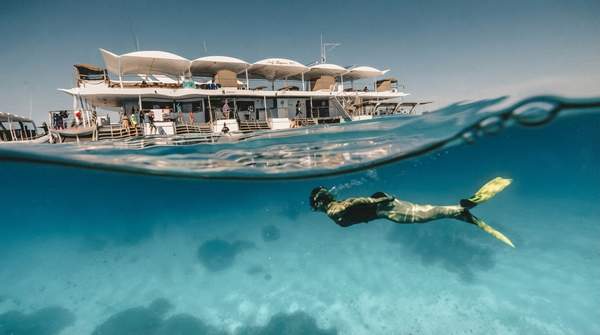
Despite this industry focus, a critical gap exists. ITB Berlin highlights 'practical examples of how destinations are adapting to climate change,' yet pmc states that 'Tourism development can lead to over-consumption of natural resources, degradation of service quality, and an exponential increase in wastage and pollution.' This implies that industry adaptation efforts focus on coping with climate change's effects on tourism, rather than fundamentally addressing tourism's role in causing environmental degradation and resource depletion. The promotion of 'adventure travel' as sustainable paradoxically risks exacerbating environmental issues like resource depletion and pollution if not rigorously managed by strong policy, creating a tension between marketing and actual ecological impact.
Your Guide to Lower-Impact Transportation
Using a bike instead of a car for short trips would reduce travel emissions by approximately 75%, according to Our World in Data. The statistic that using a bike instead of a car for short trips would reduce travel emissions by approximately 75% lays bare the significant impact individual transportation choices have on carbon footprints. Prioritizing active and low-carbon transportation methods for shorter distances is one of the most effective ways individual travelers can reduce their environmental impact.
The data from Our World in Data clearly shows that for common travel distances, individual choices like cycling or opting for a car over a short flight offer a far more potent and immediate path to carbon reduction than any industry-led 'best practice.' While the industry promotes 'responsible travel' and certifications, the most impactful carbon reductions for common travel distances (under 1000km) stem from individual choices like avoiding short flights or cycling. This implies industry efforts may divert attention from potent behavioral shifts, shifting the burden of impact reduction onto travelers.
Beyond Individual Choices: The Need for Policy & Ethics
A framework for sustained ecotourism can be developed with supportive government policy interventions to conserve resources without compromising economic viability or local social well-being, according to pmc. A framework for sustained ecotourism, developed with supportive government policy interventions to conserve resources without compromising economic viability or local social well-being, reveals that individual actions, while vital, are not sufficient for systemic change. The Code features a voluntary implementation mechanism through its recognition of the World Committee on Tourism Ethics (WCTE), as stated by untourism. The Code's voluntary implementation mechanism through its recognition of the World Committee on Tourism Ethics (WCTE) reveals a critical flaw: while the industry promotes sustainable options, the underlying commitment to these practices is often optional, potentially diluting their real-world impact.
ITB Berlin proudly showcases 'more than 50 exhibitors' presenting sustainable travel products and programs on 'responsible travel,' but untourism states that the 'Code features a voluntary implementation mechanism.' The tension between ITB Berlin proudly showcasing 'more than 50 exhibitors' presenting sustainable travel products and programs on 'responsible travel' and untourism stating that the 'Code features a voluntary implementation mechanism' exposes the industry's eagerness to promote sustainable options, even as the underlying commitment to these practices remains optional, potentially diluting their real-world impact. Without robust government policy interventions to mandate resource conservation and social well-being, as suggested by pmc, the current voluntary 'responsible travel' initiatives championed by industry events like ITB Berlin will remain largely symbolic, failing to address tourism's escalating environmental footprint.
How Destinations Are Adapting to Climate Change
What are the key principles of sustainable tourism?
Sustainable tourism prioritizes environmental protection, supports local communities, and ensures economic viability for destinations over the long term. It balances the needs of visitors, the industry, the environment, and host communities. This approach seeks to minimize negative impacts while maximizing positive contributions to a destination's well-being.
How can I reduce my carbon footprint when traveling?
Reducing your carbon footprint involves making conscious transportation choices, such as opting for trains or buses over short-haul flights for journeys under 1000 kilometers. Supporting local businesses and choosing eco-certified accommodations also contribute to a lower environmental impact. Using a bike instead of a car for short trips reduces travel emissions by around 75%.
What are examples of sustainable travel practices?
Sustainable travel practices include engaging in community-based tourism, where local residents directly benefit from visitor spending, and choosing destinations that actively implement conservation programs. ITB Berlin 2026 will offer a guided tour focused on climate adaptation in tourism, showcasing practical examples of how destinations are adapting to climate change, such as water management or renewable energy integration.
Conclusion & The Path Forward
Without robust government policies mandating resource conservation and shifting consumer behavior, the global tourism sector's voluntary 'sustainable travel' initiatives, championed at events like ITB Berlin, will likely remain symbolic, failing to curb its escalating environmental footprint.