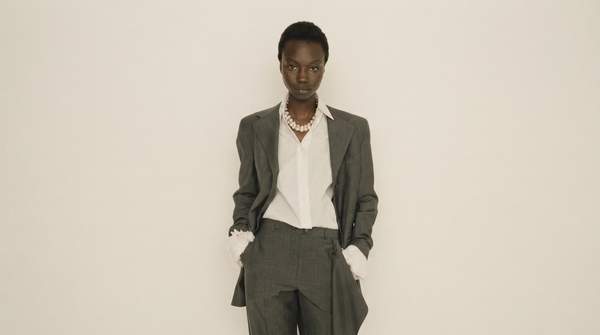
Striped sweaters are already trending for Fall 2026, signaling a definitive shift towards bolder, more versatile knitwear that actively defies traditional autumnal palettes. This upcoming season’s fashion collections are introducing vibrant colors and adaptable designs, moving away from the muted tones and heavy layers typically associated with fall sweater trends 2026. Consumers can anticipate a fresh approach to seasonal dressing, where expressive pieces take precedence over conventional warmth, influencing how entire wardrobes are constructed.
Fall fashion has long favored muted palettes and weighty garments, yet the upcoming season emphasizes vibrant colors and adaptable knitwear pieces. This tension challenges long-held expectations, pushing consumers to rethink their autumnal wardrobes. The industry is responding with items that blend functionality with expressive aesthetics, creating a dynamic change in seasonal expectations and offering new avenues for personal expression.
Consumers can expect a more dynamic and expressive fall wardrobe, moving beyond conventional seasonal restrictions and embracing versatility. The prevalence of colorful knits that mirror rich gemstones, according to Harpers Bazaar, highlights this trend. Additionally, the V-neck sweater trend is back and can be worn high and tight or wide and loose, further reinforcing the demand for adaptable styling that caters to individual preferences.
Beyond the Basics: Transitional Pieces and Future Styles
The polo sweater is emerging as a critical transitional piece for fall wardrobes, bridging the gap between warmer and cooler temperatures. This style, noted by Harpers Bazaar, offers a lighter alternative to traditional heavy knits, aligning with the broader push for extended wearability. Its inherent adaptability makes it suitable for early autumn days, providing comfort without excessive warmth and allowing for easy layering.
- Short-sleeved knitwear, such as knit tees and cardigans, are suggested for early fall wardrobes, according to Harpers Bazaar.
This emphasis on transitional and future-oriented knitwear suggests a strong desire for extended wearability and a proactive embrace of upcoming fashion cycles. Retailers are promoting items that can be layered or worn independently, allowing consumers greater flexibility in their seasonal styling. The inclusion of short-sleeved options directly contradicts the traditional expectation of heavy garments for autumn, highlighting a significant shift towards versatility that prioritizes adaptability over bulk.
The prevalence of colorful knits that mirror rich gemstones, alongside the suggestion of short-sleeved knitwear for early fall wardrobes, indicates a deliberate push by retailers. This strategy encourages consumers to embrace a lighter, more vibrant aesthetic earlier in the season, moving away from the somber palettes typically reserved for autumn. Such a move potentially extends the shelf-life of 'summer' colors into autumn, challenging the traditional seasonal color palette and maximizing inventory potential.
This counterintuitive finding, particularly the emphasis on short-sleeved knitwear, directly contradicts the long-standing expectation of heavy, warm garments for the autumn season. It signals a move away from the traditional 'cozy' fall aesthetic, where comfort often dictated style. Instead, fashion is adopting a more statement-making, fashion-forward approach, prioritizing visual impact and adaptability over sheer warmth, thereby redefining autumnal dressing.
The combination of vibrant, gemstone-like colors and bold patterns like stripes underscores this deliberate shift. Knitwear is becoming less about providing basic warmth and more about offering styling flexibility and personal expression. This trend suggests a blurring of seasonal boundaries, where pieces are designed to transition seamlessly across varying temperatures and occasions, rather than being confined to a single season or purpose. Consumers are empowered to create more dynamic and personal ensembles.
The return of the V-neck sweater trend, offering dual styling options like wearing it high and tight or wide and loose, indicates a clear consumer demand for highly versatile pieces. This adaptability allows garments to conform to various personal styles and different weather conditions, directly challenging the notion of single-purpose seasonal garments. Consumers seek items that offer flexibility and extended utility, making their wardrobes more functional and less restrictive.
This emphasis on adaptable V-neck styles, coupled with the inclusion of short-sleeved knitwear for early fall, implies that layering and personalized styling will be paramount for the upcoming season. Fashion is moving beyond simply relying on heavy sweaters for warmth. Instead, it encourages individuals to curate looks that reflect their personal aesthetic while accommodating transitional weather, enabling greater creativity in daily dressing.
The shift towards more expressive and functional wardrobe pieces signifies a broader change in consumer behavior. Shoppers are increasingly looking for garments that offer longevity and can be integrated into diverse outfits throughout the year, reducing the need for entirely new seasonal purchases. This demand drives designers to create knitwear that serves multiple functions, moving beyond the traditional role of autumnal layering and promoting a more sustainable approach to fashion.
Retailers and designers who fail to adapt to the burgeoning demand for vibrant, versatile, and transitional knitwear risk falling behind in the Fall 2026 market. Those sticking to conventional fall collections, characterized by muted colors and solely heavy layers, will likely struggle to capture the attention of fashion-forward consumers. The market is increasingly rewarding innovation in adaptability and multi-functional designs, penalizing those who cling to outdated seasonal paradigms.
Conversely, fashion-forward consumers seeking expressive and functional wardrobe pieces that offer extended wearability stand to gain the most. They will find an abundance of choices that allow for creative layering and personalized styling. This shift empowers individuals to build more dynamic and less seasonally restrictive wardrobes, maximizing the utility and lifespan of their purchases.
The ongoing blurring of seasonal boundaries, evidenced by the prevalence of short-sleeved knits and adaptable V-necks, implies a future where knitwear is less about warmth and more about styling flexibility. This evolution suggests that the lifecycle of fashion items will extend, promoting more sustainable and versatile purchasing habits among consumers. The industry is responding to a desire for garments that work across various climates and personal expressions, moving towards a year-round utility for many knitwear pieces.
By Fall 2026, brands like Banana Republic, which are already known for lightweight cashmere options, will need to heavily lean into these vibrant, versatile, and transitional knitwear trends to maintain market relevance. Their ability to integrate bold colors and adaptable styles into their collections, potentially introducing novel blends or textures, will be crucial for capturing consumer interest in a rapidly evolving market that values both style and practicality.
What are the top sweater colors for fall 2026?
For Fall 2026, colorful knits that mirror rich gemstones are a prominent trend, according to Harpers Bazaar. These vibrant hues are recommended for pairing with classic wardrobe staples such as black slacks and indigo denim. This approach allows the bold colors to stand out while maintaining a sophisticated autumnal look, offering a fresh alternative to traditional fall palettes.