Why We Dress Like Our Heroes: Film's Enduring Fashion Influence

In 1961, Audrey Hepburn's simple Givenchy dress in 'Breakfast at Tiffany's' didn't just become a fashion statement; it transformed the little black dress into a global symbol of sophistication, foreve

JK
Jonah Kline

April 25, 2026 · 4 min read

People in a stylish setting inspired by iconic movie fashion, demonstrating film's lasting influence on personal style and trends.

Audrey Hepburn's simple Givenchy dress in 'Breakfast at Tiffany's' didn't just become a fashion statement; it transformed the little black dress into a global symbol of sophistication, forever altering how women perceived elegance. This single cinematic moment projected an archetypal image of grace and style, embedding it deeply into the global consumer consciousness.

Fashion is often perceived as an industry driven by runway shows and designers, but its most profound and lasting shifts in consumer behavior are frequently sparked by iconic moments in film and television. These screen-originated styles demonstrate a unique power to embed specific looks into the collective consciousness for generations.

Based on the historical evidence of screen-driven fashion revolutions, the influence of visual media on consumer style will continue to be a dominant force, likely accelerating with the proliferation of streaming content and social media amplification.

Modern Homage: How Screen Style Endures Today

Olivia Wilde's sheer Oscars look, a direct nod to 'Daisy Jones and the Six', exemplifies how contemporary figures reinterpret screen trends, as reported by Cinemablend. Screen fashion's power extends beyond mere replication; it now involves re-contextualizing and popularizing existing or past styles for a new generation. Such celebrity endorsements validate screen narratives as potent trendsetters, often bypassing traditional fashion cycles.

The consistent homage by figures like Wilde confirms that pop culture, not solely high fashion, shapes the long-term evolution of style archetypes. This compels brands to integrate narrative and character into their design strategies, acknowledging the continuous feedback loop between screen and street. Brands failing to grasp this dynamic risk irrelevance, as consumer desire increasingly stems from aspirational on-screen identities rather than exclusive runway pronouncements.

Why We Dress Like Our Heroes

Audiences forge profound emotional connections with characters and their narratives, rendering their on-screen fashion highly desirable. Immersive visual storytelling in film and television efficiently transmits trends by crafting aspirational figures viewers instinctively wish to emulate. This psychological resonance transforms clothing from mere fabric into extensions of identity and aspiration.
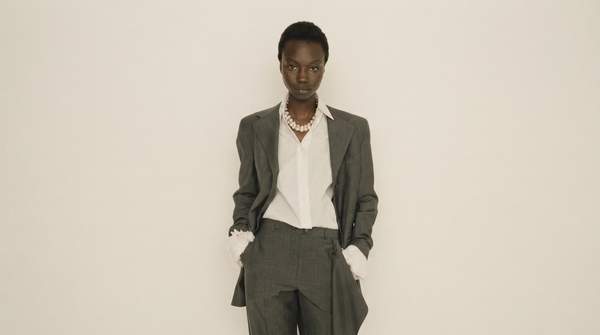
A deep connection enables screen fashion to circumvent traditional trend cycles, directly shaping consumer behavior. Individuals adopt styles worn by beloved characters because these garments are imbued with the character's personality, values, and narrative context, making them more than just clothes. This phenomenon creates a powerful, subconscious endorsement, where a character's integrity or allure transfers directly to their wardrobe choices, driving adoption at scale.

When Cinema Defined a Generation's Style

Marilyn Monroe's white halter dress in the 1955 film 'The Seven Year Itch' catapulted halter-neck silhouettes into mainstream fashion, solidifying her as a formidable style icon, as reported by inkl. This singular costume became synonymous with 1950s glamour, inspiring countless imitations and permanently etching a specific silhouette into fashion history. Its enduring resonance proves that a single cinematic garment can achieve a cultural permanence rarely matched by seasonal runway collections.

Likewise, John Travolta's white disco suit in the 1977 film 'Saturday Night Fever' unequivocally defined the essential club attire of the late 1970s, globally transforming dance floor aesthetics, inkl confirmed. These instances demonstrate how specific, memorable on-screen outfits transcend entertainment to become defining fashion statements of their era, fundamentally shaping collective style choices. They serve as cultural anchors, proving that style legacies are often forged in the narrative crucible of film, not merely in design studios.

The Future of Screen-Driven Style

The proliferation of streaming platforms and social media amplifies screen fashion's immediate impact. The fashion industry, often fixated on fleeting runway trends, frequently overlooks the enduring power of cinematic costume. Audrey Hepburn's LBD in 'Breakfast at Tiffany's' (inkl) exemplifies how investing in cultural resonance through storytelling generates far more lasting and impactful consumer desire than seasonal collections. The shift demands a re-evaluation of marketing spend, prioritizing narrative integration over traditional advertising.

The consistent homage paid by contemporary figures like Olivia Wilde (Cinemablend) further confirms that pop culture, not just high fashion, dictates the long-term evolution of style archetypes. The consistent homage compels brands to consider narrative and character in their design strategies, recognizing that authenticity derived from on-screen personas resonates more deeply with consumers than designer labels alone. As streaming platforms proliferate and social media accelerates trend cycles, the capacity for film and television to instantly launch and disseminate fashion trends will only intensify. A dynamic environment means fashion brands must strategically align with popular screen narratives by 2026 to capture consumer attention and loyalty, moving beyond product placement to genuine creative collaboration.

If current trends persist, the symbiotic relationship between visual media and consumer fashion appears poised to deepen, with streaming platforms likely becoming the primary arbiters of emerging style archetypes by late 2026.