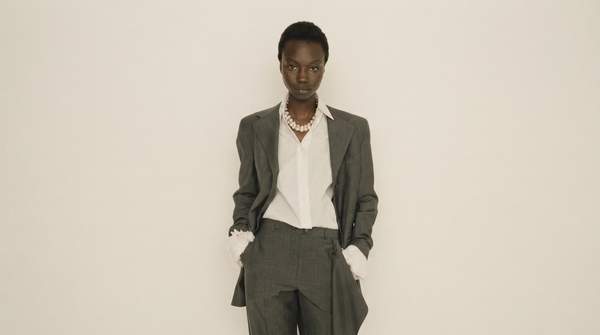
Fairy-tale fashion, a captivating blend of medieval elements and the dark coquette aesthetic, is already a dominant force on Fall 2026 runways, gracing collections from luxury houses like Chanel, Robert Wun, and Simone Rocha. This isn't just a trend; it's a direct reflection of social media's instant amplification, a fascinating shift that turns online obsessions into global sartorial statements at warp speed.
Yet, this breakneck speed creates a paradox: fashion cycles are shortening at an unprecedented rate, but the industry simultaneously sees a significant rise in consumer demand for sustainable practices. It's like hitting the gas and the brakes at the same time, with brands caught in the middle of this fundamental tension.
The fashion industry will increasingly grapple with this tension: hyper-speed trend adoption versus the growing imperative for environmental responsibility. This pushes brands to innovate in both digital engagement and sustainable production, a high-wire act for the ages.
The Accelerated Pulse of Fashion
Social media platforms have dramatically shortened the fashion cycle, with trends emerging, peaking, and declining faster than ever before, according to hilarispublisher. The traditional, years-long fashion cycle has been compressed into months or even weeks, driven by instant virality. Algorithms on these networks amplify popular content, creating viral trends that can shift global fashion markets instantaneously. This isn't just a faster pace; it's a fundamental alteration in how trends spread, a stark departure from historical cycles where styles would gestate for seasons or years. The implication? Maintaining a consistent brand identity or cultivating 'classic' collections becomes a Herculean task when the zeitgeist shifts weekly.
The Paradox of Speed and Sustainability
- 71% — Year-over-year searches for sustainable fashion on Pinterest have increased by this amount, according to fashinnovation.
Despite the rapid acceleration of trends, consumer demand for more thoughtful, sustainable fashion choices is skyrocketing. This isn't just a counter-trend to hyper-consumption; it's a glaring disconnect. Consumers demand longevity, yet the industry is forced into hyper-speed obsolescence, creating an unsustainable business model. The industry is being pulled in contradictory directions: social media demands instant gratification and accelerated trend cycles, while a significant portion of consumers simultaneously demands slower, more sustainable practices. It's a fashion tug-of-war, and no one's winning easily.