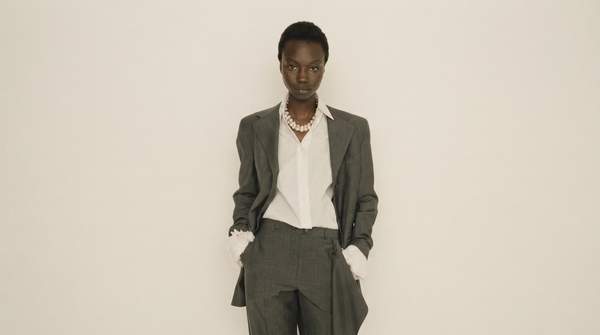
Loewe is opening 10 seasonal locations and a pop-up in Saint-Tropez, signaling a strategy focused on reinforcing brand mystique and exclusivity. Luxury fashion's summer offerings are positioned as an aspirational, exclusive experience for a select few. Meanwhile, Zara's latest drop caters to the multifaceted reality of modern summer life, featuring summer tailoring for office commutes and fluid wrap pants designed for beach vacations, directly addressing diverse consumer needs.
High-end brands are investing in exclusive, aspirational summer experiences and locations, creating an illusion of an unattainable fantasy for many. In stark contrast, mass-market retailers are focusing on practical, versatile collections for diverse everyday life, providing adaptable solutions for the everyday aspirations of a broader consumer base. A fundamental tension is highlighted in how 'summer beauty and fashion trends 2026 styles accessories colors' are being defined and sold across the market.
The summer fashion landscape is becoming increasingly stratified, with luxury brands cementing their exclusive appeal through experiential marketing, while fast fashion dominates the everyday wardrobe with adaptable, affordable options, potentially leaving a gap in the middle market. This polarization means consumers must navigate vastly different approaches to summer style, from ultra-exclusive getaways to highly functional daily wear.
Luxury's Exclusive Summer Playground
- Loewe is opening 10 seasonal locations and a pop-up in Saint-Tropez, while Giorgio Armani is touring its 2026 Mare collection across the continent, according to Vogue. A strategic investment in ephemeral, high-cost experiences situated in elite European destinations is underscored by these initiatives.
- Brands like Burberry and Staud have already hosted influencers and brand friends in Cap d’Antibes and the Amalfi Coast, as reported by Vogue. Such curated trips aim to reinforce brand mystique and exclusivity, targeting a clientele that values aspirational lifestyle experiences.
High-end brands are strategically leveraging exclusive locations and events to reinforce their elite status and offer aspirational lifestyle experiences to their clientele. This approach focuses on cultivating a perception of luxury that extends beyond the product itself, emphasizing the exclusive context in which it is consumed. The investment in these hyper-exclusive summer marketing campaigns suggests a strategy more concerned with brand image and desirability among a select few than with direct sales volume to a wider audience.