In the late 19th century, scientist Élie Metchnikoff observed the remarkable longevity of Bulgarian peasants, linking it directly to their daily soured milk. He hypothesized that its lactic acid bacteria produced beneficial 'disinfecting bodies,' a groundbreaking idea reported by PMC. His discovery ignited a global fascination with the unseen microbial world within our food, revealing its profound potential to enhance human vitality and reshape our understanding of daily sustenance.
Fermented foods, celebrated for their vibrant flavors and purported health benefits, harbor a critical duality: uncontrolled preparation can unleash dangerous pathogens. This inherent tension defines the modern discourse around these ancient culinary practices. A pervasive 'health halo' often eclipses vital safety considerations, presenting a complex challenge for discerning consumers.
Thus, while the health benefits of fermentation gain increasing recognition, a glaring absence of robust surveillance systems demands consumer vigilance. Sourcing and preparation become paramount to sidestep potential, often underreported, risks. True safety and efficacy hinge on stringent industrial controls, far beyond mere microbial activity. This crucial distinction now shapes every informed choice in modern kitchens.
The Enduring Legacy of Microbial Discovery
Metchnikoff's late 19th-century investigations unveiled that specific microbial actions could indeed generate beneficial 'disinfecting bodies,' a revelation documented by PMC. This pivotal research illuminated the profound, intricate dance between microorganisms and human health, transcending simple observations of longevity. It shattered previous notions of food as mere fuel, instead presenting it as a dynamic source of active biological agents capable of shaping our very well-being.
These groundbreaking findings hinted that specific bacteria, like those in soured milk, actively bolstered health. This discovery sparked an intense scientific pursuit, reframing fermentation not just as a preservation technique, but as a potent generator of health-promoting compounds. It laid the groundwork for a culinary revolution, exploring how controlled microbial growth could elevate both the nuanced flavor profiles and the nutritional potency of countless foods.
What Exactly Are Fermented Foods?
Fermented foods are precisely defined as products transformed by controlled microbial growth and enzymatic conversions, yielding altered textures and profoundly distinct flavors. Iconic examples like the fiery crunch of kimchi, the tangy bite of sauerkraut, and the creamy richness of yogurt all emerge from deliberate microbial artistry, as detailed by PMC. This meticulous, controlled alchemy fundamentally separates them from spoilage, which is merely uncontrolled, often destructive, microbial chaos.
This intricate process often enlists lactic acid bacteria, yeasts, or molds, which deftly convert carbohydrates into organic acids, gases, or alcohol. This metabolic alchemy not only preserves the food but also bestows upon it unique tastes, textures, and aromas. The sharp tang of sauerkraut, for instance, springs from lactic acid, while sourdough bread's complex, earthy notes are a testament to yeast and bacteria collaborating in a symphony of flavors. These precise microbial orchestrations are the very essence of fermented cuisine's characteristic sensory allure.
How Fermentation Enhances Flavor and Health
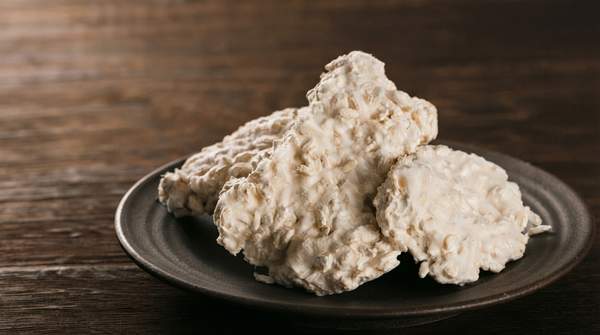
Tempeh, that earthy, nutty fermented soybean marvel, perfectly showcases the intricate biological ballet behind beneficial food transformations. It undergoes fermentation by Rhizopus species, often aided by bacteria like Lactic acid bacteria (LAB) and Bacillus spp. which ignite specific enzymatic pathways to generate bioactive metabolites, as detailed by Nature. These microbial interactions are no accident; they represent a meticulously orchestrated biological process, fundamentally reshaping the food's very essence.
As Tempeh ferments, it becomes a powerhouse, yielding peptides, isoflavone aglycones, folate, and γ-aminobutyric acid (GABA). These compounds are directly linked to cardiovascular protection, enhanced mineral bioavailability, and robust gut health, a transformation highlighted by Nature. Crucially, these potent metabolites are absent in unfermented soybeans. Their emergence reveals microbes as active alchemists, synthesizing entirely new, beneficial compounds within the food matrix. This intricate biochemical metamorphosis elevates both Tempeh's nutritional prowess and its distinctive earthy, nutty flavors, cementing its place as a staple in modern diets.
Beyond Gut Health: Broader Benefits of Fermented Foods
The consumption of fermented foods unfurls a spectrum of health advantages, stretching far beyond simple gut support. A compelling 6-week study, involving 274 adults grappling with Irritable Bowel Syndrome (IBS), revealed that a daily 4.4-ounce (125-gram) serving of yogurt-like fermented milk significantly alleviated IBS symptoms, as documented by PubMed. This precise clinical insight underscores the targeted therapeutic power certain fermented products wield against specific digestive challenges.
Beyond mere symptom relief, fermented foods deliver direct nutritional bounty through their bioactive compounds, simultaneously nourishing our indigenous gut microbes. The very survival of these beneficial microbes within the gastrointestinal tract further bolsters overall well-being, a complex interplay detailed by PMC. These intricate mechanisms paint a picture of multi-faceted health enhancement: the food acts as both a direct conduit for beneficial substances and a potent catalyst for a thriving internal ecosystem. This dual action cultivates a robust internal environment, fostering profound physiological balance and resilience.
Controlling Fermentation: Safety and Health Risks
The very microbial dance that bestows fermented foods with their unique character simultaneously demands rigorous control to thwart harmful organisms. Spontaneous fermentation, or processes under uncontrolled conditions with substandard ingredients or poor hygiene, can unleash significant health risks from pathogenic microorganisms or toxins, warns PMC. This danger looms largest in artisanal or homemade preparations, where the absence of industrial oversight makes consistent regulation a formidable challenge.
A chilling array of dangerous pathogens—E. coli, Shigella spp. Salmonella spp. Staphylococcus aureus, Listeria monocytogenes, and Bacillus cereus—have all been found lurking in various fermented foods, as documented by the same PMC article. This stark reality clashes dramatically with the robust safety record of specific categories, notably fermented vegetables. It reveals a crucial truth: safety isn't an inherent trait of fermentation itself, but a direct outcome of meticulous, controlled processes. Brands that market fermented products without transparently detailing their stringent hygiene and controlled fermentation methods exploit a health halo they may not deserve, potentially exposing consumers to unseen hazards. Discerning consumers must therefore meticulously scrutinize production methods; the vaunted 'strong safety record' of fermented vegetables offers no blanket assurance for all fermented products, especially where controls are lax and pathogens like E. coli can flourish.
Are Fermented Foods Always Safe? Addressing the Risks
Is fermentation good for gut health in 2026?
Fermentation can indeed cultivate gut health, seeding the intestinal flora with beneficial microbes and their vital metabolic byproducts. Yet, this efficacy pivots entirely on the specific microbial strains involved and their resilience through the digestive journey. Uncontrolled fermentation offers no such guarantees, potentially failing to introduce beneficial strains or, worse, inadvertently ushering in harmful ones, thereby jeopardizing overall gut well-being.
Are fermented foods always safe?
While fermented vegetables boast an enviable safety record, the wider realm of fermented foods can readily conceal dangerous pathogens like E. coli, particularly if preparation lacks stringent controls. Moreover, the true scope of foodborne illnesses linked to fermented foods may be severely underestimated, a grim reality stemming from low healthcare reporting and systemic surveillance weaknesses, according to PMC. Consumers must, therefore, seek out products from reputable sources, demanding transparent production methods.
What are popular fermented foods in modern cuisine?
Beyond the familiar tang of kimchi and the creamy comfort of yogurt, modern cuisine revels in a burgeoning array of fermented delights. Kefir, a tangy, effervescent milk drink, and kombucha, a sparkling fermented tea, are widely savored for their probiotic bounty. Artisanal sourdough bread, with its complex, chewy crumb, remains a beloved staple, alongside the rich, savory depths of tempeh and miso, each lending unique umami notes to global culinary traditions.
Making Informed Choices About Fermented Foods
Given the complex interplay of health benefits and potential risks, the future of fermented foods likely hinges on consumers demanding, and manufacturers consistently delivering, transparently produced products that meet rigorous safety and quality benchmarks.