In a world saturated with flashy logos and maximalist trends, a new wave of home decor quietly commands exorbitant prices for what appears, at first glance, to be almost nothing at all. This "quiet luxury" aesthetic for 2026 defies expectations, signaling a subtle shift in consumer spending. High-end interior designers report a 30% increase in client requests for 'understated elegance' over 'flashy statements' in the past year. Luxury traditionally equates to visible expense and ostentation, but quiet luxury proves true value lies in understated depth and refined quality. The market for high-end home decor will increasingly reward discernment and craftsmanship over overt branding, shifting consumer expectations towards enduring, less trend-driven investments. Notably, the average budget for a quiet luxury renovation often exceeds visibly opulent designs, a testament to its focus on bespoke craftsmanship and rare materials.
Beyond the Bling: Defining Quiet Luxury in Home Decor
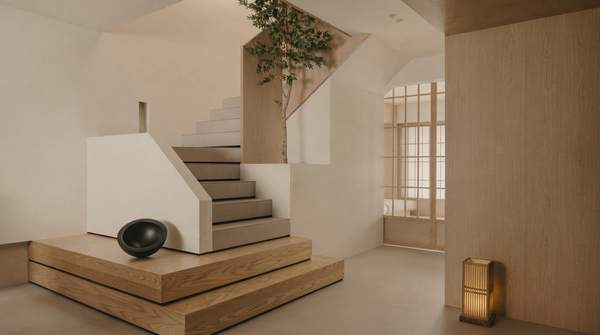
The quiet luxury aesthetic for 2026 embraces understated elegance, a direct contrast to louder trends like Barbiecore and maximalism, notes LuxeSource. This design philosophy redefines value in residential interiors, prioritizing depth over visible expense, states House of Nuances. It distinguishes itself from traditional minimalism by emphasizing rich materials and textures, not just negative space. What appears simple is, in fact, a deeply considered aesthetic prioritizing intrinsic quality and a sophisticated understanding of value over overt displays of wealth. Companies marketing this aesthetic aren't just selling a look; they're selling an educated taste level, segmenting the market by those who discern subtle quality from overt branding.
The Craft of Understatement: Materials, Texture, and Form
Quiet luxury interiors feature natural materials: unlacquered brass, hand-stitched leather, undyed linen. These are chosen for their aging properties and tactile appeal. The emphasis extends to bespoke furniture and custom millwork, ensuring unique pieces that reflect individual taste, not mass production. Color palettes remain monochromatic or analogous, using subtle variations in tone and texture over bold contrasts. Layered, indirect lighting highlights these textures, fostering a serene atmosphere. This meticulous selection and harmonious integration of elements elevates the interior designer's role from decorator to curator, speaking to quality and comfort without needing to shout.