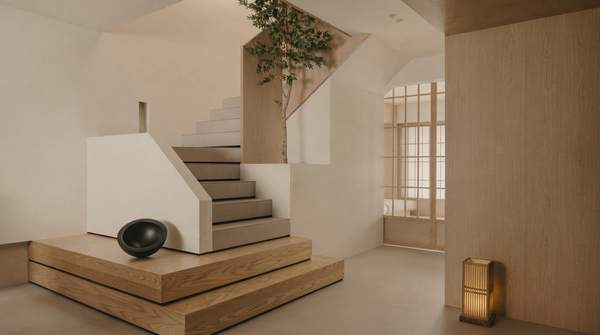
The 'latte dressing' trend, a layering of browns and creams in fashion, offers a surprising blueprint for creating a simple yet sumptuous home design that whispers elegance. This aesthetic, extending beyond clothing, provides a cohesive color and material strategy for the quiet luxury movement in personal style and home decor in 2026. The subtle interplay of similar tones and rich textures cultivates a sophisticated environment, suggesting depth without overt display, a principle Sonomamag identifies as foundational.
Quiet luxury appears simple and understated, but achieving its elevated aesthetic demands a highly intentional and often significant investment in quality materials and thoughtful design choices. The perceived effortlessness belies a deliberate strategy, prioritizing enduring value over fleeting trends or obvious branding. This tension between apparent simplicity and underlying complexity defines the very essence of the style.
As consumers increasingly value sustainability and personal well-being, the quiet luxury philosophy is likely to shift focus from conspicuous consumption to a more discerning appreciation for enduring craftsmanship and sensory comfort. This movement prioritizes longevity and thoughtful acquisition, creating spaces and wardrobes that resonate with individual identity rather than external validation. The 'latte dressing' approach, beyond mere color, establishes a foundational principle for quiet luxury home design, dictating not only hues but also the selection of natural, textured materials like wool, jute, solid wood, and marble. Such choices create a cohesive, tranquil, and understatedly rich environment, where each element contributes to a sophisticated whole without individual dominance. This cross-disciplinary coherence, where fashion principles inform interior design, reveals the surprising depth of the quiet luxury aesthetic.
Beyond the Brand: What Quiet Luxury Truly Means
Quiet luxury transcends mere expense, focusing instead on the intrinsic value of materials, craftsmanship, and the overall sensory experience. This philosophy emphasizes quality and longevity over overt branding or transient trends. The goal is to cultivate an environment that feels inherently rich and considered, not explicitly opulent. It creates an illusion of effortless, understated elegance, making it a more exclusive and less accessible aesthetic than its simple appearance suggests.