In 2025, a week-long luxury safari in Botswana saw its average cost jump by 35% in just two years, pushing the experience beyond the reach of many who once considered it an aspirational journey. A sharp increase, driven by rising conservation fees and limited lodge capacity, reflects a broader trend of escalating prices in exclusive travel. For instance, luxury hotel rates in Paris for the 2024 Olympics surged by 300% compared to pre-pandemic levels, establishing new benchmarks for event-driven pricing, according to Bloomberg. A recent study predicts that by 2026, only the top 5% of global earners will consistently afford truly exclusive, high-end international travel experiences, as reported by the World Economic Forum Travel Outlook.
The global appetite for unique, high-end travel experiences remains at an all-time high, yet accessibility to these destinations is rapidly shrinking to an elite few. This tension between widespread desire and limited availability defines the current travel market.
Based on sustained demand from the ultra-wealthy and persistent supply-side pressures, the luxury travel market appears likely to bifurcate further, creating an ultra-exclusive tier largely immune to broader economic fluctuations, while traditional luxury becomes a relic of the past for many.
The New Drivers of Desire: Why Everyone Wants In (But Can't Get It)
Post-pandemic 'revenge travel' ignited a sustained demand for premium experiences, quickly exhausting luxury capacity, reports Skift Research 2024. A surge, combined with a fundamental shift in affluent preferences, now dictates pricing. A 2025 Knight Frank Wealth Report found 70% of high-net-worth individuals prioritize unique, exclusive encounters over traditional luxury. Wealth managers at UBS Global Wealth Management confirm clients increasingly view travel as an investment in experiences, not merely a discretionary expense; this perspective transforms travel into a prioritized asset. Concurrently, high-income digital nomads extend stays in traditionally expensive destinations, further tightening accommodation supply, as shown by Nomad List Data 2025. This confluence of evolving values and new travel patterns creates unprecedented demand for exclusivity, pushing accessibility beyond reach for many.
The Numbers Don't Lie: A Market Transformed
- 40% — Private jet bookings for leisure travel increased between 2022 and 2024, indicating a growing segment willing to pay for convenience and privacy, according to Argus International.
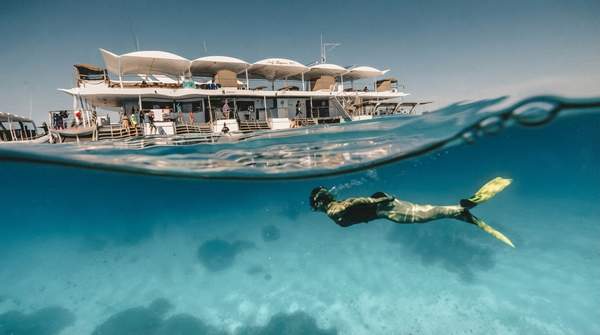
- Doubled — The number of ultra-luxury cruise lines offering expeditions to remote destinations from 2020 to 2025, with prices starting at $20,000 per person, as reported by Cruise Industry News.
- 25% — Demand for bespoke travel itineraries, often involving private guides and exclusive access, outpaced supply in 2025, according to Virtuoso Travel Advisors.
These figures confirm the rapid expansion of the ultra-luxury segment. Here, price is secondary to exclusivity and personalized service. The market now actively crafts and caters to a niche prioritizing unique access and tailored experiences.
The Great Divide: Who Benefits and Who Gets Left Behind
Investment in new luxury infrastructure—private islands, exclusive resorts—booms, inherently targeting ultra-high-net-worth individuals and elevating the baseline for 'luxury', states the Savills Luxury Property Report. A top-tier focus redefines market expectations. Concurrently, destinations like Venice and Amsterdam impose new tourist taxes and visitor limits to combat overtourism, according to Local Tourism Boards. While sustainable, these measures inadvertently make destinations more exclusive, adding cost for all. Even desirable sustainable travel certifications often add a 10-15% premium to high-end packages, reports the Global Sustainable Tourism Council, further embedding exclusivity into the price. Ultra-luxury providers and destinations thrive on increased revenue and exclusivity. The broader travel market, however, faces escalating costs, limited access, and the burden of overtourism. The 35% Botswana safari jump isn't an anomaly; it's a bellwether. The market now segments into a 'super-luxury' tier, where prices filter out all but the global elite, fundamentally altering aspirational travel for the upper-middle class.
Beyond Demand: The Persistent Economic Headwinds
- Inflation in the service sector, particularly for skilled labor in hospitality, rose by 8% annually in top European destinations from 2023-2025, according to Eurostat.
- Global supply chain issues continue to affect the cost of imported luxury goods and specialized equipment required by high-end resorts, driving up operational expenses, as detailed in the Deloitte Supply Chain Report 2025.
Experts foresee persistent inflation and supply chain challenges continuing to drive operational costs, inevitably passed to consumers, entrenching high prices. Companies marketing 'luxury' based on traditional 5-star metrics, rather than hyper-exclusive, bespoke, low-impact itineraries, risk irrelevance. The ultra-wealthy increasingly prioritize scarcity and privacy over mere opulence.
By Q3 2026, traditional luxury travel providers focused solely on five-star resorts will likely face immense pressure to innovate or risk irrelevance, as demand for unique, scarce experiences continues to outpace conventional offerings, further solidifying a bifurcated market.