For Autumn/Winter 2025, the iconic Dior Bar jacket and Chanel skirt suit are reimagined, styled casually with denim or untucked shirts rather than for formal occasions. This fundamentally alters the perceived context of these traditional 'ladylike' silhouettes, blurring the lines between high fashion and daily wear. The shift is significant.
Fashion was recently defined by 'anti-algorithm dressing,' emphasizing individual expression and practicality. Now, the industry shifts towards fantasy, storytelling, and reinterpreted classicism, creating tension between past utility and future whimsy.
The industry navigates a complex desire for both individuality and a return to recognizable, albeit reimagined, aesthetic codes. Consumers seek to personalize, not reject, established symbols of elegance.
From Anti-Algorithm to Whimsical Narratives
- The Autumn/Winter 2025 fashion season moves towards fantasy, storytelling, and whimsy, departing from Spring/Summer 2026's 'anti-algorithm dressing,' reports British Vogue. The move towards fantasy, storytelling, and whimsy reflects a collective desire for escapism and narrative in clothing, moving beyond purely functional or overtly trend-resistant styles. The implication is a market less interested in overt rebellion against trends and more in nuanced, personalized engagement with fashion's expressive potential.
The Modern Reinterpretation of Ladylike Elegance
The 'ladylike' trend for 2025 reinterprets classic silhouettes, moving beyond their formal origins. Pieces like the Dior Bar jacket and Chanel skirt suit, often styled with denim or untucked shirts (British Vogue), democratize high fashion. This reinterpretation makes classic elegance accessible for modern, everyday wear, blending aspirational design with casual utility. It suggests a consumer base that values heritage but demands versatility, pushing brands to innovate beyond traditional presentation.
This strategic recontextualization strips classic silhouettes of their original elitism. Consumers now transform symbols of past elegance into versatile elements for modern self-expression, rejecting prescribed dress codes. A maturation of consumer taste, where personal narrative trumps rigid adherence to historical fashion dictates, is evident.
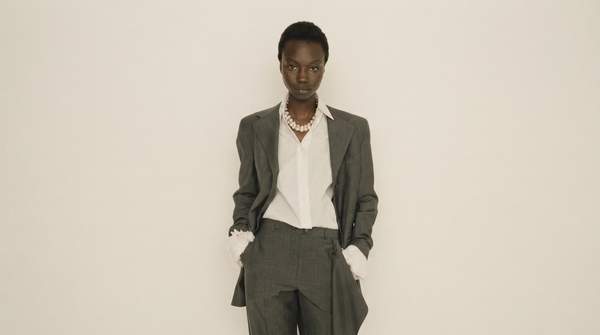
Paradoxically, the 'anti-algorithm' trend, focused on individual expression and practicality, laid groundwork for this casualization. Designers now actively encourage unconventional styling of iconic pieces, moving beyond rigid adherence to traditional presentation. This evolution suggests that true individuality now lies in subverting established codes, rather than outright rejection.
A consumer desire to reclaim and recontextualize symbols of past elegance, transforming them into versatile elements for less rigid self-expression, is evident in this pivot. Brands that cling to traditional notions of 'ladylike' elegance risk alienating a market demanding adaptability, as British Vogue's AW26 reporting underscores. The challenge for legacy houses is to balance brand DNA with this evolving demand for fluid, personalized styling.
What are the top fashion trends for 2025?
Beyond the casualization of formal wear, Autumn/Winter 2026 emphasizes rich textures and a nuanced color palette, departing from minimalist aesthetics. Designers explore deep jewel tones and luxurious fabrics like velvet and brocade, enhancing narrative in garments, say industry analysts. This focus on tactile and visual depth suggests a move towards immersive fashion experiences, where clothing communicates more than just status or trend adherence.
How will fashion trends change in 2025?
Fashion trends in 2026 will shift from 'anti-trend' practicality to expressive personalization. Consumers will redefine high fashion pieces for daily wear, making them accessible, not just aspirational. This fosters individual interpretation of classic styles, moving beyond uniform dressing. The implication for retailers is a need to curate versatile collections that encourage mixing and matching, rather than presenting prescriptive head-to-toe looks.
What styles will be popular in 2026?
Popular styles in 2025 will feature reinterpreted vintage silhouettes, particularly 'ladylike' foundations styled unconventionally. Examples include tailored blazers with cargo pants, or embellished skirts with simple knitwear. This blend allows personal flair within established aesthetic codes, demonstrating a sophisticated consumer who values creative juxtaposition over strict adherence to genre.
By Q4 2025, companies failing to integrate historical elegance with modern wearability will likely see reduced market engagement.