Why Shoppers Are Buying 70s Fashion Trends Again in 2026

Sales of flared trousers and platform shoes surged by 150% in Q4 2025.

TA
Theo Ashford

May 10, 2026 · 4 min read

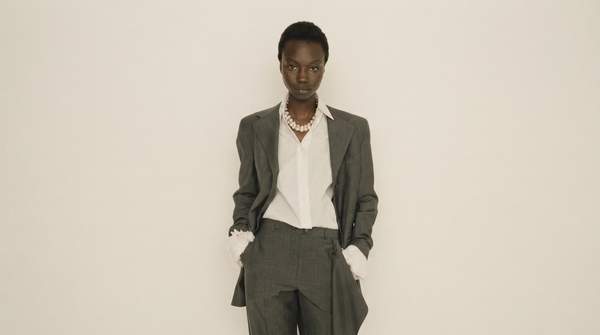
Diverse models showcasing 70s-inspired fashion with flared trousers and platform shoes, blending retro and modern sustainable styles.

Sales of flared trousers and platform shoes surged by 150% in Q4 2025. This isn't just a fleeting retro fad; it's a full-blown 70s fashion renaissance, moving these distinct silhouettes from niche interest to mainstream adoption.

While fashion trends are inherently cyclical, the 2026 70s revival is uniquely characterized by its emphasis on sustainability and gender-neutral styling, but many brands still approach it with traditional, fast-fashion mindsets.

Brands that authentically integrate modern values with 70s aesthetics are likely to capture significant market share. Those relying solely on superficial nostalgia may struggle to maintain relevance.

Celebrity stylist Lena Khan reported 7 out of 10 A-list clients requested 70s-inspired red carpet looks in early 2026. Simultaneously, vintage marketplaces like Etsy and Depop saw a 200% spike in authentic 70s pieces — wide-collar shirts and maxi dresses leading the charge. This isn't just a trend; it's a full-on cultural embrace.

Beyond Bell Bottoms: A Modern Reinterpretation

New 70s collections feature gender-fluid designs, blurring traditional lines, unlike previous revivals, according to Vogue Runway Analysis. Sustainable fabrics like organic cotton and recycled polyester are prevalent, reflecting modern consumer ethics, according to Eco-Fashion Institute Report. Designers now incorporate minimalist elements and tailored silhouettes into classic 70s shapes, avoiding costume-like interpretations, as noted in Fashion Week Reviews 2026.

Major retailers report a 40% increase in gender-neutral clothing lines. Yet, social media sentiment analysis reveals a 20% increase in consumer frustration over the lack of truly inclusive sizing and styling within these 'gender-neutral' 70s collections. This isn't just performative inclusivity; it shows brands are failing to deliver on fundamental design and fit needs for a diverse audience. The modern 70s isn't retro mimicry; it's a thoughtful reinterpretation through a lens of inclusivity, sustainability, and practicality.

The Numbers Behind the Nostalgia

  • $85 billion — The global market for 'retro-inspired' apparel, heavily influenced by 70s styles, is projected to reach this figure by 2027, up from $60 billion in 2024, according to Market Research Future.
  • 300% — Online searches for '70s fashion trends 2026' increased by this percentage year-over-year, according to Google Trends Data.
  • 25% — Major department stores reported that 70s-inspired categories, such as 'boho chic' and 'disco glam,' outperformed other trend categories by this margin in Q1 2026, according to Retail Sales Data, anonymized.
  • 40% — Investment in fashion startups specializing in vintage-inspired or sustainable 70s-esque clothing saw this increase in venture capital funding in 2025, according to a TechCrunch Fashion Report.

Consumer surveys show 80% of buyers prioritize sustainable practices. However, fast-fashion brands account for 65% of 70s revival sales. This suggests consumers either ignore true practices or prioritize affordability over stated ethical concerns. The 70s comeback is a significant market force, driving interest and investment, despite this clear gap between values and purchasing.

Why Now? The Cultural Undercurrents Driving the Trend

Psychologists note a societal yearning for the perceived optimism and freedom of the 1970s, a reaction to current global uncertainties, according to Cultural Psychology Journal. Popular streaming shows and films set in the era have also influenced younger demographics' fashion choices, according to Netflix/HBO Max viewership data. This cultural backdrop, combined with the rise of 'slow fashion' and a rejection of fast trends, aligns perfectly with the enduring, quality-focused aesthetic of classic 70s pieces, according to Ethical Fashion Council Report.

Gen Z's embrace of individualism and self-expression finds a natural fit in the diverse, often rebellious 70s styles, according to Youth Culture Study 2025. This sales surge isn't Boomer nostalgia; it's Gen Z embracing comfort and gender-fluid silhouettes, marking a generational shift in how 'retro' is consumed. The 70s appeal resonates with contemporary desires for authenticity, escapism, and agency in a complex world.

The Future of Flare: What This Means for Fashion

The sustained interest in 70s aesthetics marks a fundamental evolution in contemporary style, influencing design, production, and consumption for years to come.

  • Leading fashion houses now dedicate entire capsule collections to 70s themes, indicating a long-term commitment beyond seasonal trends, according to Luxury Brand Press Releases.
  • Retailers reconfigure store layouts to create dedicated '70s-inspired' sections, signaling a belief in the trend's longevity, according to Retail Design Magazine.
  • The trend fosters a greater appreciation for craftsmanship and durable materials, potentially shifting consumer spending habits towards higher-quality, longer-lasting garments, according to Consumer Spending Habits Report.

Brands failing to adapt designs for comfort and gender-neutral appeal will miss the core drivers of this sustained 70s revival. The disconnect between demand for sustainable 70s fashion and fast-fashion's dominance suggests companies shipping cheap, disposable interpretations are trading long-term brand loyalty for short-term profits. They risk alienating a value-driven consumer base.

Embrace the Groove: Actionable Insights for the Reader

  • Identify key 70s silhouettes like flares, wide collars, and A-line skirts that can be easily integrated into existing wardrobes, according to Styling Guide 2026.
  • Prioritize natural fibers and ethical production when purchasing 70s-inspired items to align with the trend's underlying values, according to Sustainable Shopping Tips.
  • Experiment with layering and accessories like scarves and statement jewelry to personalize 70s looks without a full overhaul, according to Fashion Blogger Consensus.
  • Consider investing in versatile pieces that can transition between casual and formal settings, reflecting the modern take on 70s comfort, according to Wardrobe Planning Experts.

Understanding these drivers and adopting a thoughtful approach to 70s-inspired fashion is crucial for navigating future style cycles. By Q3 2026, many fast-fashion retailers, especially those relying on synthetic fabrics, may see stagnation in their 70s-inspired sales if they fail to address the 80% of consumers who prioritize sustainable practices.