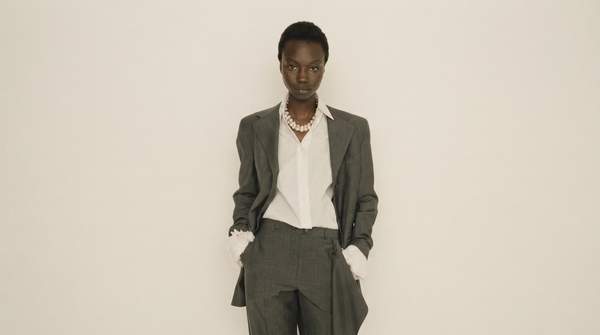
The 'butter mom' aesthetic isn't just another fleeting internet trend; it's defining how 90s fashion re-enters mainstream style in 2026. Forget the broad strokes of grunge or minimalist chic. This revival zeroes in on specific luxurious textures and a particular mood, suggesting a deeper desire for comfort and tactile indulgence over mere visual replication. Nineties fashion is indeed back, but its contemporary expression is highly selective, driven by these precise, often internet-born, microtrends. We're not seeing a full-blown flannel-and-grunge comeback, but rather highly curated elements. Future fashion trends will emphasize specific, curated aesthetics emerging from online communities, rather than sweeping, era-defining movements. Online communities are now acting as highly selective curators, filtering decades of style through a modern, digital lens, moving fashion beyond simple nostalgia to craft new narratives from old threads.
Beyond Nostalgia: The Curated Comeback
The 'butter mom' aesthetic perfectly illustrates this selective approach to 90s fashion. As Real Simple notes, it's not about replicating a full 1995 magazine spread. Instead, it cherry-picks elements like oversized knits or relaxed silhouettes, then recontextualizes them for today. Internet culture now actively shapes the re-emergence of past styles, prioritizing specific moods and aesthetics over broad, uncritical adoption. This means the gatekeepers of fashion have shifted. Traditional designers no longer hold sole sway; digital communities now dictate which historical elements are relevant for reinterpretation.
The Appeal of Specificity: Comfort and Tactile Trends
The appeal of these specific 90s elements often boils down to material choices. This season, it's all about slightly "fuzzy" textures – think mohair or fine cashmere, as Mamamia points out. Today's 90s revival prioritizes comfort and sensory indulgence over strict historical accuracy, thanks to its focus on luxurious, tactile fabrics. It signals a more mature, discerning consumer. The exact brand or silhouette matters less than how a garment feels against the skin, a sensory experience perhaps less central to the original era's mass-market appeal. This contemporary lens refines 90s influences through touch and elevated taste.