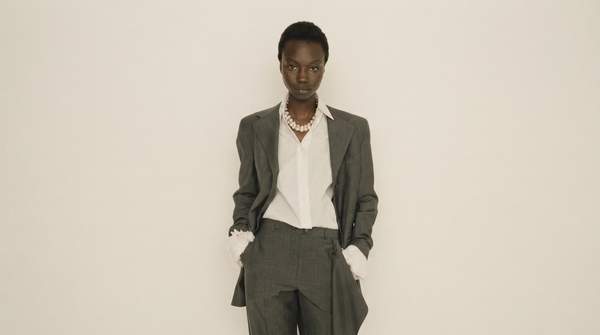
Once the uniform of frat bros and preps, the double-polo layering technique is being radically reinterpreted for 2026. This isn't mere nostalgia; a profound shift in how Y2K fashion is consumed and refashioned today is signaled, moving beyond costume play into genuine aesthetic transformation.
Y2K fashion's strong comeback prioritizes innovative layering and proportion play over direct nostalgic replication. Familiar silhouettes persist, yet their assembly speaks to a distinctly modern sensibility.
Fashion cycles now favor adaptive reinterpretation over pure revival. Future trend resurgences will blend past aesthetics with contemporary styling, a clear evolution in how we engage with sartorial history.
Beyond Low-Rise: A Modern Layering Revolution
Y2K style re-enters the 2026 fashion zeitgeist with a modern focus on layering techniques, Harper's BAZAAR notes. This departs sharply from the original era's defining garment characteristics: low-rise cuts, wide-leg, and bootcut jeans, often distressed or embellished, as detailed by Thepinklookbook. While these iconic pieces remain, their contemporary application emphasizes transformative styling. This isn't about recreating an exact look; it's about actively dismantling and rebuilding elements, prioritizing creative expression over direct homage. The focus has shifted to the 'how' of wearing, not merely the 'what.'
The Data Behind the Comeback
Y2K aesthetics enjoy widespread adoption, particularly among younger demographics. This qualitative engagement points to a substantial cultural shift in fashion consumption, even without precise quantitative figures. Rapid dissemination across digital platforms and urban streetscapes confirms its broad acceptance. This isn't a niche phenomenon; it's a pervasive influence, where collective reinterpretation of past styles deeply informs contemporary wardrobes.
Why Now? The Cultural Drivers
Gen Z's desire for unique self-expression and a growing emphasis on sustainable fashion practices drive the current Y2K resurgence. This generation seeks versatility, adapting trends rather than strictly adhering to prescribed looks. The layering and proportion play inherent in modern Y2K offers this flexibility, enabling individualistic transformation.