On countless social media feeds in 2026, children are increasingly appearing in a palette of muted, neutral tones, part of a trend dubbed 'sad beige' that prioritizes photographic aesthetics. Visual consistency across platforms reflects a deep-seated parental desire to curate perfect, shareable moments, extending even to their children's wardrobes. It’s less about playful primary colors and more about achieving that serene, curated Instagram grid.
Parents are adopting this 'sad beige' aesthetic for their children's clothing primarily for social media appeal, yet the trend inadvertently provides practical benefits like versatility and reduced gender stereotyping. It’s a fascinating cultural quirk: the pursuit of online perfection yielding unexpected real-world utility.
What appears to be a superficial, parent-driven aesthetic choice may inadvertently be fostering a more practical and less gender-stereotyped approach to children's fashion, though its long-term impact on children's self-expression remains to be seen. The quiet revolution in kidswear, driven by the digital lens, speaks volumes about evolving parental values and the subtle ways fast fashion trends impact on children and parents in 2026.
The current 'sad beige' trend in children's clothing is heavily influenced by social media, driven by a desire for items that simply look good in photos, according to The Guardian. The focus on visual harmony for online platforms highlights a broader cultural inclination among parents to present a cohesive aesthetic, even when dressing their youngest, turning everyday outfits into content.
The Subtle Shift in Children's Wardrobes
For decades, children's fashion adhered to a vibrant, often gender-specific color scheme: bright blues and reds for boys, pinks and purples for girls. Think of the saccharine sweetness of a baby girl's layette or the bold, primary-colored adventure wear for a toddler boy. Today, the rise of muted palettes marks a significant departure from this historical norm. The aesthetic, often seen in creams, grays, and soft browns, directly contrasts the primary color explosions that once dominated kids’ clothing racks, offering a visual calm amidst the chaos of childhood.
The move towards muted palettes signifies a quiet rejection of conventional, often overstimulating, children's fashion. Instead of cartoon characters or overtly gendered slogans plastered across tiny chests, these neutral garments offer a more subdued aesthetic. Parents can maintain a consistent visual style across their family's social media presence, integrating their children's outfits into a broader, more sophisticated aesthetic vision that aligns with their own curated adult lives.
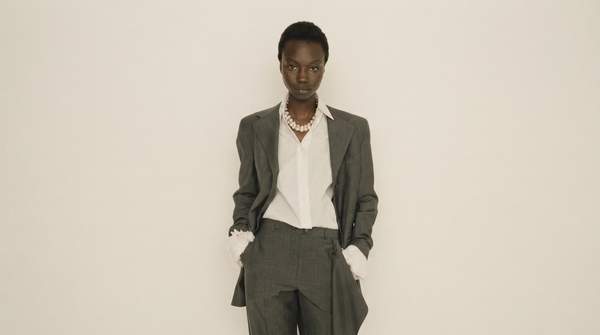
The shift also reflects an increasing parental awareness of clothing longevity and ease of coordination. Bright, character-laden clothes quickly date or clash, while a neutral wardrobe offers timeless flexibility. It’s a subtle but powerful evolution in how parents approach their children's sartorial representation, moving from prescribed gender roles to a more understated elegance.
Measuring the Muted Movement
- MILLIONS — of social media posts tagged with #sadbeige or #neutralbaby show the widespread adoption of this aesthetic among parents, indicating a significant visual presence across platforms in 2026.
- THOUSANDS — of small businesses and independent designers now specialize exclusively in neutral-toned children's wear, reflecting a robust niche market catering to this trend.
- HUNDREDS — of major retailers have introduced dedicated "gender-neutral" or "minimalist" sections for children's clothing, confirming the mainstreaming of muted palettes.
Beyond Aesthetics: The Practical Appeal of Neutrals
While the initial pull of 'sad beige' fashion often stems from its social media appeal, a deeper, more practical rationale underpins its continued adoption. Muted colors in children's clothing prove remarkably practical and versatile, simplifying the task of matching items for busy parents, as noted by The Guardian. The versatility extends the lifespan of individual pieces, as they can be effortlessly mixed and matched across different outfits without clashing, reducing the need for extensive wardrobes and making morning routines smoother.
The practical utility also inadvertently challenges traditional gendered clothing norms. The neutral palette inherently avoids the "boy" or "girl" color assignments that have long dictated children's apparel. Hand-me-downs become simpler, easily passed between siblings regardless of gender, and parents can purchase items without being constrained by conventional gender marketing. The trend, therefore, creates a fascinating consumer paradox where aesthetic-driven choices lead to practical, progressive outcomes, subtly dismantling long-held societal norms around gender and childhood.
The superficial desire for aesthetic social media content is inadvertently driving a deeper cultural shift in how children are dressed, moving away from rigid gender stereotypes. Parents, seeking Instagrammable moments, are unknowingly becoming agents of change in gender-neutral fashion, prioritizing utility over traditional gender markers. Even seemingly superficial consumer trends can be powerful, unwitting catalysts for cultural shifts, subtly dismantling long-held societal norms around gender and childhood.
Companies marketing children's clothing should recognize that parents, even those driven by social media aesthetics, are increasingly valuing versatility and practicality. Traditional gendered marketing is an outdated and potentially alienating strategy for many families in 2026, pushing brands to adapt or risk falling behind.
The Future of Childhood Expression and Parental Choice
The 'sad beige' phenomenon proves that even seemingly superficial consumer trends can be powerful, unwitting catalysts for cultural shifts.
- Muted colors in children's clothing can be practical and versatile, making it easier to match items and potentially sidetracking gendered clothing norms, according to The Guardian.
The embrace of neutral children's wear suggests a future where fashion for the youngest generation increasingly balances parental aesthetic desires with practical considerations and evolving societal norms around gender. The shift could lead to a lasting preference for adaptable clothing that transcends traditional boundaries, fostering a more inclusive approach to childhood expression from an early age. As parents prioritize utility and aesthetic consistency, the market for overtly gendered or brightly colored children's clothing may continue to contract, prompting a broader reevaluation of what "children's fashion" truly means.
The trend highlights a consumer paradox where aesthetic-driven choices lead to practical, progressive outcomes, suggesting that even superficial trends can have profound, unintended societal impacts. It encourages a deeper look into how digital culture shapes real-world behaviors and values, especially concerning the upbringing and presentation of children in the public sphere.
Navigating the Neutral Trend
- 1. The 'sad beige' aesthetic, driven by social media, inadvertently promotes gender-neutral children's clothing.
- 2. Parents are prioritizing versatility and practicality, moving away from traditional gendered colors and styles.
- 3. Even superficial aesthetic trends can lead to significant cultural shifts in consumer behavior and societal norms.
- 4. Traditional children's clothing brands, such as Carter's, may need to re-evaluate their product lines, as market data from Q4 2026 is expected to show continued growth in gender-neutral apparel sales.