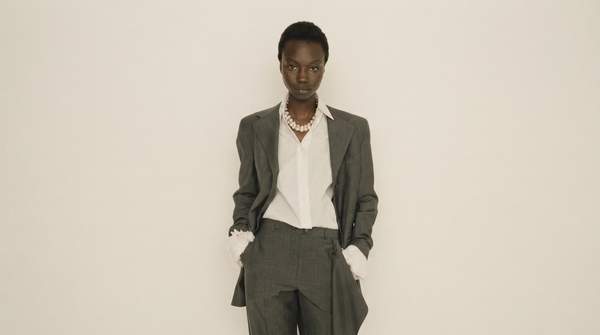
Upward of 15 new designers took the helm at major fashion houses for the spring/summer 2026 shows, signaling an unprecedented changing of the guard in global fashion, according to Who What Wear. Yet, the industry maintains its rigorous, established show schedule: Milan Fashion Week (Men’s) runs January 16 – 20, 2026; Paris Fashion Week (Haute Couture) follows January 26 – 29, 2026; and London Fashion Week concludes February 19 – 23, 2026, all according to Fashion Week Online. A fundamental tension exists: an unprecedented number of new creative directors are poised to redefine major brands, but within a rigid, unyielding calendar.
Therefore, the 2026 fashion landscape appears likely to be characterized by a dynamic tension between traditional runway structures and radical creative reinterpretations. The dynamic tension could lead to a highly diverse and unpredictable trend cycle, as new creative leadership faces tight operational constraints.
The influx of talent, operating within pre-scheduled fashion weeks, grants new leaders minimal time to imprint their vision. The industry's operational inertia, highlighted by the rigid calendar, severely constrains any revolutionary changes. Instead, we may see superficial refreshes rather than deep overhauls of established house codes, according to Who What Wear and Fashion Week Online.
Such rapid turnover, with over 15 creative directors taking new posts, points to an industry-wide scramble for immediate relevance. The pursuit of novelty risks a lack of long-term strategic vision at major fashion houses, according to Who What Wear.
Are key fashion trends for 2026 truly disruptive?
Barcelona Bridal Fashion Week, for instance, showcased thousands of gowns for the 2026 season. These will not reach bridal salons globally until 2027, according to Vogue. The year-long lag between a collection's debut and its retail availability exposes the fashion industry's slow operational inertia. Creative leadership may shift rapidly, but underlying production and retail cycles remain stubbornly traditional.
The stark contrast means new creative directors, despite their fresh perspectives, operate within significant systemic constraints. Established timelines, particularly in segments like bridal, hinder truly disruptive change. Innovators are forced into incremental adjustments, not revolutionary overhauls.