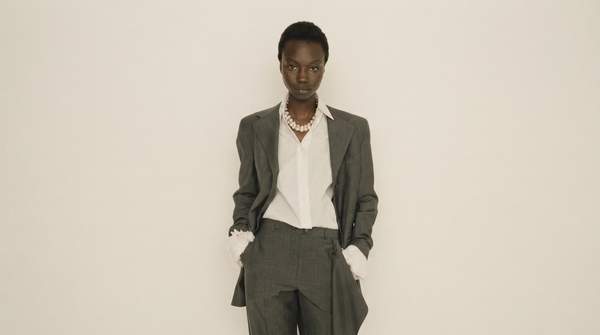
Pedal pushers, once the sartorial equivalent of a shrug emoji, are staging a shocking comeback on the streets in 2026, championed by style icons like Bella Hadid. This isn't just another nostalgic nod; it's a bold challenge to the idea that only the '90s' universally adored trends deserve a second act, hinting at a broader, perhaps less discerning, embrace of the era's entire aesthetic. These ankle-baring trousers are now a visible fixture in everyday wear, subtly reshaping our daily wardrobe decisions.
Yet, while classic '90s staples are indeed returning, they're often reimagined with modern updates and a fierce emphasis on comfort, rather than strict historical accuracy. This tension defines the current revival: a blend of nostalgic allure and today's demand for practicality and ease.
The fashion landscape, then, appears poised for a sustained period of blended aesthetics, where past eras are continuously re-contextualized through a contemporary lens, prioritizing wearability and subtle sophistication. But let's be real: this often translates to a superficial aesthetic appropriation, sanitizing the era's edginess for mass appeal, all while prioritizing comfort and Instagrammable minimalism.
More Than Just Nostalgia: The Evolved 90s Aesthetic
While the slip dress, with its signature bias cut and spaghetti straps, remains a foundational '90s piece according to Vogue, today's interpretations are hardly direct replicas. Designers are plucking core '90s elements and injecting them with contemporary cuts and details, forging a look that feels both fresh and familiar. This is glaringly obvious in the surge of asymmetrical silhouettes—think handkerchief hemlines and one-shoulder necklines—dominating current designer collections, as ELLE points out. The '90s minimalism we're seeing now is a hybrid beast, incorporating these decidedly non-minimalist designs. Brands aren't just reviving the past; they're cherry-picking and remixing, creating a commercially viable, modernized aesthetic that often dilutes the original era's distinct, sometimes stark, style. This isn't a purist homage; it's a strategic reinterpretation for the modern consumer.
The Enduring Icons: Staples That Never Left
Some '90s pieces simply refuse to die, cycling back into relevance or stubbornly remaining foundational. The slip dress, the cigarette jean, and the pencil skirt, for instance, have retained their cultural capital, according to Vogue. These, alongside strappy mules—another '90s shoe silhouette Vogue identifies—form a consistent thread of influence. Their enduring appeal, especially for simple tank dresses and slip dresses, boils down to modern wearability and comfort; they slide effortlessly into contemporary wardrobes without demanding a full '90s commitment. Even little white dresses (LWDs) are a key trend this year, ELLE reports, cementing this selective re-adoption of '90s-adjacent aesthetics. But let's be clear: when style icons like Bella Hadid endorse historically divisive trends like pedal pushers, as Who What Wear notes, it's less about genuine historical appreciation and more about celebrity-fueled trend-making, making these revivals inherently susceptible to fleeting fads.