Video game critic Alex Donaldson didn't mince words: Nvidia's new AI graphics feature, DLSS 5, makes visuals feel "airbrushed and hollow." This critique, echoed by concept artist Jeff Talbot, lands just as the tech rolls out this autumn, sparking unease in creative circles. AI promises unprecedented efficiency, but it simultaneously risks diluting the unique human touch that defines genuine art, according to the BBC. The tension is clear: companies and creators chase AI's speed, yet this efficiency often comes at the cost of authentic human artistry, a trade-off many might not grasp until it's too late.
How AI Boosts Creative Output
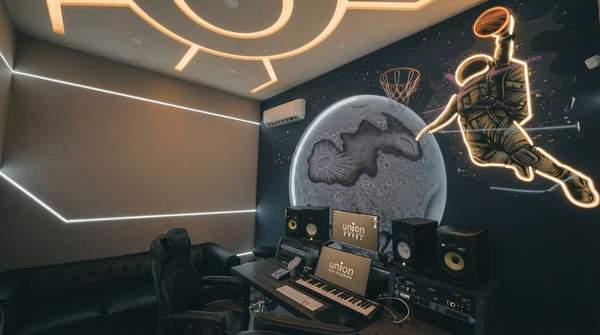
Independent creators are already using AI to supercharge their workflow, especially in music. AI can help with songwriting, vocal generation, production, and remixing, says Substream Magazine. This means solo artists can now write songs, generate vocals, produce instrumentals, and release entire albums in minutes. It's a speed that obliterates traditional production bottlenecks, unleashing an explosion of new content. The widespread embrace of AI tools, much like Google Maps for navigation, shows their deep integration into creative processes, notes The New York Times. This tech offers independent artists unprecedented leverage, allowing them to produce and distribute content at speeds unimaginable a few years ago. The implication? We're seeing a content deluge, but the sheer volume might just drown out the truly distinctive.
Is AI Changing the Definition of Art?
For all its promised efficiency, AI-generated content is already hitting walls. Gaming studio Running With Scissors, for example, scrapped an entire game built on AI, reports the BBC. Pulling a game already in development reveals a stark truth: current AI tools, while fast, often miss the mark on genuine artistic expression. This forces a choice between speed and soul. Studios are realizing algorithmic output often clashes with desired artistic quality. Companies chasing AI's creative velocity, like those using Nvidia's DLSS 5, might unknowingly trade authenticity for efficiency. The risk? A "hollow" aesthetic that alienates discerning audiences. The implication is clear: the rush for rapid content could inadvertently erode the very integrity of art and its connection to the audience.