Mass tourism actively erodes the very places travelers seek to experience, contributing significantly to global carbon emissions, habitat degradation, and cultural dilution. This constant churn of visitors strains local resources, compromises natural habitats, and often homogenizes distinct cultural identities. Yet, while travelers increasingly desire authentic, sustainable experiences, the dominant tourism model stubbornly prioritizes speed and volume, often at the expense of local culture and the environment. This tension creates a paradox: the quest for genuine connection inadvertently harms the destinations people love. As awareness of these negative impacts grows, slow travel is poised to become a preferred, more responsible way to explore the world, shifting traveler priorities from consumption to connection.
Beyond the Checklist: What is Slow Travel?
Slow travel replaces frantic exploration with a deliberate focus on both the journey and the destination, according to Oneplanetjourney. This approach encourages travelers to linger longer in one place, moving beyond a rushed checklist of sights. It cultivates a mindful engagement with new environments.
It also prioritizes meaningful interactions, aiming for travelers to integrate into local life, as Vayaadventures details. This shifts the focus from mere observation to truly experiencing a place and its people. The goal is to absorb daily rhythms and foster genuine connections.
The Art of Immersion: Connecting with Culture
This extended engagement fosters deep local integration and familiarity, allowing for a nuanced understanding of local customs and traditions, a benefit Vayaadventures emphasizes. It moves beyond superficial observation to genuine cultural understanding.
In stark contrast, mass tourism contributes to 'cultural dilution,' according to Ecobnb. The constant influx of transient visitors erodes the cultural authenticity that draws people to a destination. This creates a fundamental conflict in how travel impacts local identity.
Travel companies prioritizing speed and volume, a trend documented by Ecobnb's data on mass tourism's impact, actively contribute to the destruction of the very destinations they sell. This makes their business model unsustainable in the long run.
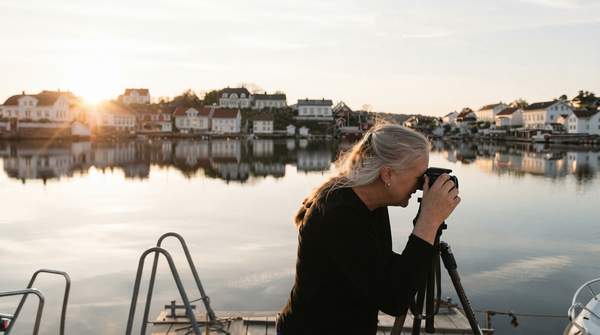
A Greener Footprint: Supporting Local and Sustainable
Slow travel directly supports local economies. It encourages travelers to stay longer and contribute to family-owned businesses and artisans, a point detailed by Vayaadventures. This direct support sustains local livelihoods and ensures tourism revenue circulates within the community.
It also aligns with sustainable practices by reducing a traveler's carbon footprint. This happens through slower modes of transport like trains, walking, or cycling, as Vayaadventures also notes. By making conscious choices, slow travelers directly contribute to host community well-being and minimize their ecological footprint. This deliberate approach to movement reduces environmental strain.
These insights from Vayaadventures reveal a clear imperative: travelers seeking genuine cultural connection and environmental responsibility must fundamentally rethink their approach. True impact stems from extended stays and local immersion, not a hurried checklist of sights.
Why Slow Travel is More Important Than Ever
In an era of increasing environmental concern and a desire for authentic experiences, slow travel offers a vital framework for responsible global engagement. The conventional model often overlooks the profound impact of rapid transit and fleeting interactions; slow travel directly remedies these challenges.
This approach transforms the traveler from a transient consumer into a temporary local, fostering a symbiotic relationship. Beyond merely bolstering local economies or fostering cultural exchange, it fundamentally redefines the entire travel experience as an act of environmental and social responsibility.
The deliberate focus on the journey and slower transport modes, advocated by Oneplanetjourney and Vayaadventures, suggests the future of responsible tourism lies in valuing the process of travel as much as the destination. This marks a critical shift in the industry's focus, from mere efficiency to genuine engagement.
Your Slow Travel Questions, Answered
What is the difference between slow travel and traditional tourism?
Traditional tourism often involves a tight itinerary, focusing on visiting many popular landmarks in a short timeframe. Slow travel, by contrast, emphasizes extended stays in fewer locations, encouraging immersion in local daily life and fostering a deeper connection with the community.
Does slow travel necessarily mean spending more money?
While extended stays might seem more expensive initially, slow travelers often save money by utilizing local transportation, cooking their own meals, and finding longer-term accommodation deals. This approach can be more budget-friendly than frequent flights, hotel changes, and tourist-trap dining.
How long should a slow travel trip typically last?
There is no strict rule, but slow travel typically involves stays of at least a week in one location, often extending to several weeks or even months. The goal is to settle into a rhythm that allows for genuine engagement, rather than adhering to a rigid schedule of sights.
The Journey, Not Just the Destination
The shift towards valuing the process of travel as much as the destination will continue to grow. Tour operators like Oneplanetjourney who prioritize immersive, low-impact itineraries will likely see increased demand as travelers increasingly seek more meaningful experiences.


