In 2019, the World Health Organization (WHO) began testing arts interventions to advance specific health goals, including mental health and suicide prevention. This marked a global shift in how international bodies view cultural engagement, recognizing its profound potential beyond mere leisure. The WHO’s commitment extended to broader objectives, encompassing universal health coverage, maternal health, blindness prevention, and quality of care, with its Regional Office for Europe actively researching art's effect on health through its Behavioural and Cultural Insights program.
Despite this growing institutional recognition and clear scientific evidence, cultural engagement remains largely undervalued as a therapeutic or preventative health measure. Governments and healthcare systems globally often fail to integrate these accessible, cost-effective interventions into primary public health strategies. This oversight leads to preventable mental health crises, exacerbating the burden on existing healthcare infrastructures and individuals alike.
Based on growing scientific validation, cultural participation is poised to become an increasingly integrated and accessible component of holistic public health strategies. This integration offers a path to improve psychological well-being and create more resilient, connected communities.
Beyond Leisure: Defining Cultural Engagement's Core Benefits
Cultural participation, from visiting museums to attending concerts or engaging in local traditions, consistently links to better mental health outcomes. Research indicates that actively engaging with diverse cultural experiences reduces the risk of cognitive decline, mitigates depression symptoms, and significantly lessens anxiety, according to ncbi.nlm.nih.gov. Consistent engagement also improves frailty, boosts personal resilience, and enhances overall well-being. These activities foster stronger social relations, combating isolation and building community bonds. Cultural engagement is not just enjoyable; it influences fundamental aspects of psychological resilience, emotional stability, cognitive function, and social connection, offering a powerful, yet often overlooked, public health resource.
The Science of Serenity: How Arts Impact Mind and Body
Beyond broad associations, specific psychological and physiological mechanisms reveal how engaging with cultural arts improves mental well-being. Activities like painting, playing music, or attending performance art can significantly improve concentration and self-esteem, while simultaneously reducing stress, according to Ama-assn. Enhanced focus helps individuals manage daily tasks and process information, fostering a sense of control. A boost in self-perception strengthens an individual’s sense of worth, empowering them in various aspects of life. These direct impacts on cognitive abilities, self-perception, and stress levels provide tangible, measurable benefits for a more balanced and resilient mind. The arts serve as a natural antidote to modern life's pressures, supporting their integration into health frameworks with quantifiable outcomes.
The Power of Creation: Crafting a Happier Life
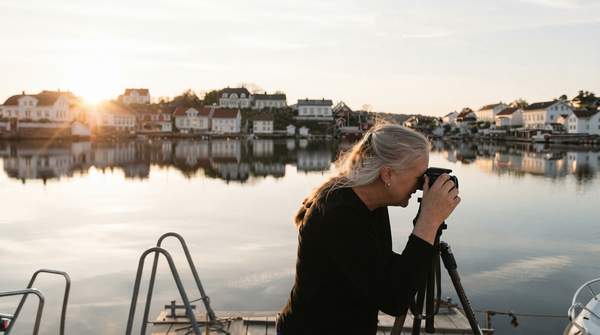
Active participation in creative arts and crafts offers unique and profound psychological benefits, often distinguishing it from more passive cultural consumption. Engagement in Creating Arts and Crafting (CAC) significantly predicted increased life satisfaction, a deepened sense that life is worthwhile, and overall happiness, according to ncbi.nlm.nih.gov. This hands-on involvement fosters a deeper connection to the creative process and its tangible outcomes, providing a sense of purpose and achievement.
Despite these clear, evidence-backed benefits, only approximately 20% of the British population engage in arts and crafts, as reported by the same source. The 20% engagement rate highlights a significant gap between the proven efficacy of creative engagement and its widespread public adoption or policy prioritization. Societies currently bear preventable costs in mental healthcare by failing to promote widespread artistic engagement as a preventative measure. Embracing these activities could unlock substantial improvements in collective psychological health, offering a proactive approach to well-being.
More Than Therapy: The Economic Footprint of Culture
The value of cultural engagement extends far beyond individual psychological benefits, making significant economic contributions. The arts and crafts industry, for instance, contributes about £3.4 billion to the UK economy, according to ncbi.nlm.nih.gov. This substantial economic footprint shows that cultural participation is not merely recreational but a vital sector generating jobs, driving local economies, and fostering innovation. Overlooking the psychological benefits of cultural experiences also means neglecting a sector that generates considerable economic activity and employment. This dual role strengthens the argument for integrating cultural programs into public health strategies, recognizing their ability to foster well-being and economic prosperity.
Governments and healthcare providers are missing a low-cost, high-impact opportunity by not integrating cultural engagement into their public health strategies, especially given its proven economic and health returns. Investing in cultural infrastructure and promoting participation could yield significant societal returns, reducing healthcare costs while simultaneously boosting economic vitality.
What's the Global Outlook for Cultural Well-being?
The arts and crafts industry was worth $50.91 billion worldwide in 2024, according to ncbi.nlm.nih.gov. The arts and crafts industry's $50.91 billion worldwide value in 2024 indicates an increasing market recognition of the value cultural activities bring, suggesting a future where these experiences play an even larger role in global well-being and economic landscapes. Individuals can incorporate cultural experiences by exploring local community events, joining creative workshops, or engaging with diverse media like international films and music. Simple steps, such as dedicating time each week to a creative pursuit or visiting a local gallery, can foster psychological well-being without requiring extensive travel or significant financial resources.
The Unseen Benefit: A Biological Marker of Calm
The scientific validation of cultural engagement’s benefits extends to measurable physiological markers. Engaging in the arts can significantly decrease cortisol levels, according to ama-assn.org. Cortisol, the stress hormone, plays a central role in the body’s stress response, meaning cultural activities offer more than just subjective relief. This measurable reduction in a key stress hormone provides profound biological evidence that cultural engagement offers a tangible pathway to improved mental and physical health. These experiences are not merely pleasant diversions but powerful tools for modulating physiological stress responses. The World Health Organization's continued research into arts interventions, initiated in 2019, suggests a future where such biological indicators reinforce the urgent need for widespread integration into public health.
If current trends persist, public health initiatives that neglect accessible, non-pharmacological interventions will likely continue to bear preventable costs in mental healthcare.


