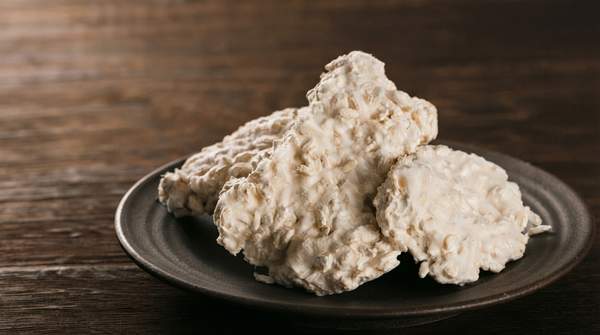
Kombucha-derived bacterial cellulose biofilms slashed dye color intensity by over 79% for acid blue and 63% for reactive navy, revealing fermentation's surprising reach far beyond the kitchen. This unexpected power in industrial wastewater treatment shows how biological processes can tackle urgent environmental crises, offering concrete solutions for pollution, according to Nature.
Fermentation is an ancient biological process, used for millennia in food preservation and production, but modern precision techniques are transforming it into a cutting-edge solution for novel ingredient production and industrial waste treatment.
Based on its proven efficiency, versatility, and environmental benefits, fermentation is likely to become an indispensable tool for sustainable food systems and industrial processes in the coming decades.
Precision fermentation emerges as a pivotal innovation in food, promising to slash waste and boost protein, lipid, and carbohydrate production efficiency, notes pmc. This method demands less land, emits fewer greenhouse gases, and sips less water than traditional farming. Such re-engineering elevates an ancient biological process into a sustainable, efficient technology, vital for future food systems and resource stewardship.
The Basic Science of Fermentation
Fermentation, a metabolic marvel, unfolds without oxygen. Microorganisms, tiny alchemists, transform organic compounds—often sugars—into acids, gases, or alcohol. This elegant process extracts energy from carbohydrates, bypassing the electron transport chain through substrate-level phosphorylation. These microscopic shifts lay the groundwork for a vast array of applications, from crafting artisan cheeses to pioneering industrial solutions, hinting at the hidden power within the microbial world.
Precision Fermentation: Crafting Novel Ingredients
Precision fermentation unlocks the cost-effective creation of novel foods once deemed impossible: animal-free dairy and eggs, heme-based meat alternatives, even bee-free honey, confirms pmc. It also yields bio-identical ingredients like vanillin, omega-3 fatty acids, and vitamin B12. This method precisely engineers complex molecules, allowing for the targeted biosynthesis of high-value compounds—specific proteins, enzymes, polysaccharides, and other functional ingredients. Such advanced fermentation reshapes our food landscape, promising a future where sustainable, animal-free options are not just alternatives, but the norm.