In the pursuit of complex and memorable flavors, modern chefs and ambitious home cooks are turning to ancient preservation methods, transforming them into powerful culinary tools. Three distinct techniques—koji fermentation, garum production, and lacto-fermentation—offer unique pathways to flavor creation. While all involve transformation over time, they rely on fundamentally different biological processes. Understanding these differences is key to selecting the right method, whether the goal is a deeply savory sauce, a sweet and complex paste, or a bright, tangy pickle.
Koji and garum are primarily enzymatic processes that excel at creating umami, the rich, savory taste found in broths and cured meats. In contrast, lacto-fermentation is a bacterial process that produces the characteristic tangy acidity of foods like sauerkraut and kimchi. By mastering the principles behind each, a cook can move beyond simply following recipes and begin to design flavors from the ground up.
Koji: The Enzymatic Catalyst
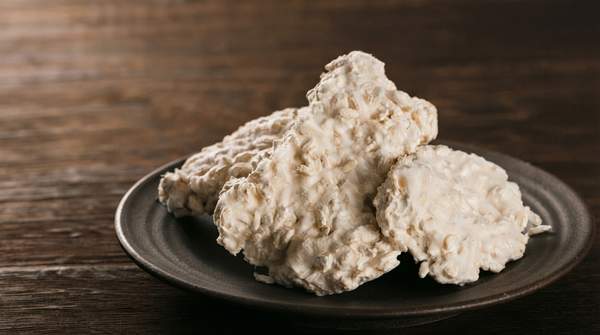
At the heart of many foundational ingredients in Japanese, Korean, and Chinese cuisine lies koji. This is not a finished food but a powerful starter ingredient, typically made by inoculating cooked grains like rice or barley with the spores of a mold called Aspergillus oryzae. For thousands of years, it has been the key to making miso, soy sauce, sake, and rice vinegar. The magic of koji is in the enzymes it produces as it grows.
These enzymes act as biological scissors. Amylase enzymes break down starches into simple sugars, creating a natural sweetness without any added sugar. Simultaneously, protease enzymes break down proteins into their constituent amino acids, most notably glutamic acid, which is responsible for the flavor of umami. According to Off The Deck Hot Sauce, a company that uses the technique for its products, this enzymatic conversion results in a flavor base that is "deeply savory, dense, and complex." Unlike other methods that require a liquid brine, a koji ferment is often a salted mixture of the primary ingredient and the koji-cultivated grain, working together without added water.
Garum: Ancient Umami, Modern Applications
Garum is an ancient fermented sauce, first developed by the Greeks and Romans, that functions as a potent liquid seasoning. Traditionally, it was made from fish and salt, left to break down over months. The process relies on two key principles: salt and enzymes. As described by the team at Noma Projects, high concentrations of salt create an environment hostile to spoilage microbes. It achieves this by sequestering water molecules and drawing water out of microbial cells through osmosis, causing them to shrivel and die.
With spoilage held in check, the endogenous enzymes naturally present in the fish can get to work, breaking down proteins into amino acids. The most significant of these is glutamic acid, which Noma Projects identifies as the molecule "most responsible for garum’s deliciousness." In modern kitchens, garum is used to add both salinity and a profound, meaty umami to dishes. It can intensify the flavor of meat or, as Noma does, provide the satisfying depth of meat to vegetable-focused menus.
Lacto-Fermentation: Tang and Preservation
Lacto-fermentation operates on a different principle from the enzyme-driven processes of koji and garum. This method relies on the work of beneficial bacteria, specifically lactic acid bacteria. The process typically involves submerging vegetables in a salt brine. As with garum, the salt creates a selective environment that inhibits the growth of undesirable microbes. This allows salt-tolerant lactic acid bacteria to thrive.
These bacteria consume the natural sugars present in the ingredients and convert them into lactic acid. This acid is what gives lacto-fermented foods their characteristic tangy, sour flavor profile and also acts as a natural preservative, further protecting the food from spoilage. This fundamental difference in mechanism—bacterial acid production versus enzymatic protein and starch breakdown—is why a lacto-fermented hot sauce has a bright, sharp taste, while a koji-fermented one develops a deep, savory complexity over a period of months.
Koji's Transformative Role in Modern Garum
While traditional garum relies on the enzymes naturally present in its ingredients, contemporary culinary innovation has merged these techniques. Many modern garums are now made with the addition of koji to accelerate and refine the fermentation process. As explained by the culinary blog TikiFoodLab, koji is a "miracle spore" that dominates its environment, helping to keep ferments safe while adding its own layers of umami.
When koji is added to a garum mixture—whether it's made from beef, chicken wings, or smoked fish—its powerful protease enzymes supercharge the breakdown of proteins. This allows for a much faster and more controlled production of umami compared to the traditional method. This modern technique has expanded the possibilities of garum far beyond fish, enabling the creation of bespoke sauces from a vast range of ingredients, including smoked mushrooms and even bee pollen, all built on the same foundational principles.
Comparative Fermentation Techniques
Choosing the right fermentation technique depends entirely on the desired flavor outcome. The following table breaks down the core differences between these three powerful methods, including a distinction between traditional garum and its modern, koji-accelerated counterpart.
| Technique | Primary Agent | Key Inputs | Primary Process | Typical Environment | Main Flavor Outcome |
|---|---|---|---|---|---|
| Koji Fermentation | Aspergillus oryzae mold | Grains or legumes inoculated with koji spores | Enzymatic breakdown of starches (to sugars) and proteins (to amino acids) | Warm, humid, aerobic (for initial growth) | Deeply savory, umami-rich, complex, with natural sweetness |
| Garum (Traditional) | Endogenous enzymes from ingredients; salt | Fish, meat, or other protein source; salt | Salt-driven osmosis and enzymatic proteolysis (protein breakdown) | Warm, anaerobic, high-salinity liquid | Intensely savory, salty, and umami-rich liquid |
| Lacto-Fermentation | Lactic acid bacteria | Vegetables or other ingredients; salt brine | Bacterial conversion of sugars into lactic acid | Anaerobic, submerged in a salt brine | Tangy, sour, and acidic with preserved ingredient flavor |
| Garum (Modern Koji-based) | Koji enzymes (from Aspergillus oryzae); salt | Protein source (meat, fish, etc.); koji; salt; water | Accelerated enzymatic proteolysis via added koji enzymes | Warm, anaerobic, high-salinity liquid | Clean, potent umami, often developed faster than traditional garum |
Selecting Your Fermentation Path
The decision to use koji, garum, or lacto-fermentation hinges on the specific flavor profile you wish to create. For deep, savory, and complex umami notes with underlying sweetness, an enzymatic process is the correct path. This could mean cultivating koji on a grain to make a paste like miso or using koji to accelerate the creation of a powerful umami liquid like a modern garum. If the goal is bright, sharp acidity and a tangy flavor to cut through richness or preserve the crispness of vegetables, the bacterial process of lacto-fermentation is the ideal choice. The ultimate success of your project can be measured by a simple indicator: the resulting flavor and texture of the fermented product align with the predicted outcomes for the chosen technique.
Sources
- Koji Fermentation in Hot Sauce: What It Is and Why We Did It — Off The Deck Hot Sauce
- Garum: Got to Have the Funk — Noma Projects
- Smoked Fish & Rose Garum – How To Make Garum With Koji! — My Site 1