Gourmet chefs craft memorable dining experiences by strategically manipulating the science of flavor perception. Flavor is not merely taste; it is a complex, multisensory phenomenon that integrates gustatory (taste), olfactory (smell), tactile (texture and mouthfeel), visual, and even auditory cues into a unified sensory experience. This dynamic integration occurs in the brain, particularly in areas like the orbitofrontal cortex and insula, which bind these diverse signals into a coherent perception, according to research highlighted in the Nature Index. This neural coordination allows us to perceive a single, nuanced impression from a multitude of sensory inputs.
Chefs leverage both intrinsic factors—such as a food's chemical composition, texture, and aroma molecules—and extrinsic cues, including color, presentation, and ambient sound, to shape both the intensity and hedonic quality of flavor. By understanding how these elements interact, culinary artists can create sophisticated profiles that engage diners on multiple sensory levels, transforming a meal into an immersive experience that transcends mere sustenance.
The Multisensory Flavor Integration Model
Flavor perception is a holistic experience, dynamically integrating multiple sensory inputs and influenced by both the inherent properties of food and external environmental or psychological factors. Chefs strategically manipulate these elements to create complex and memorable dining experiences. The following model illustrates how various sensory inputs combine to form a unified flavor percept and highlights points of culinary manipulation:
| Sensory Input | Culinary Manipulation | Impact on Perception |
|---|---|---|
| Gustatory (Taste) | Chefs enhance taste by focusing on fundamental elements like umami and balancing congruent or complementary flavors. | Umami deepens lingering flavor, contributing to a satisfying, mouthwatering quality. Congruent pairings (e.g., sweet with sweet) can intensify tastes, while complementary pairings (e.g., fish and lemon) balance different components, preventing overpowering sensations. |
| Olfactory (Aroma, Retronasal) | Chefs manipulate aroma through timing its release and ensuring its complexity and clarity. | Aromas contribute significantly to a dish's distinct identity and memorable nuance, especially through retronasal olfaction (smelling food from inside the mouth). Strategic timing of aroma release can unfold the flavor profile dynamically throughout the eating experience. |
| Tactile (Texture/Mouthfeel) | Chefs use techniques like sous-vide and searing to precisely control and contrast food textures. | Sous-vide cooking delivers precise tenderness and flavor by maintaining cell integrity, while searing adds a contrasting crisp exterior. This mixture of textures excites the senses, creating engaging bites with a pleasing pace and enhancing the overall dining experience. |
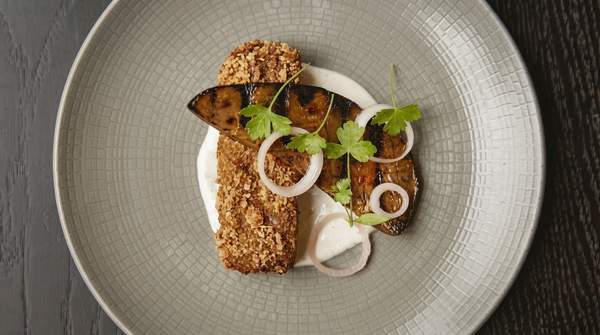
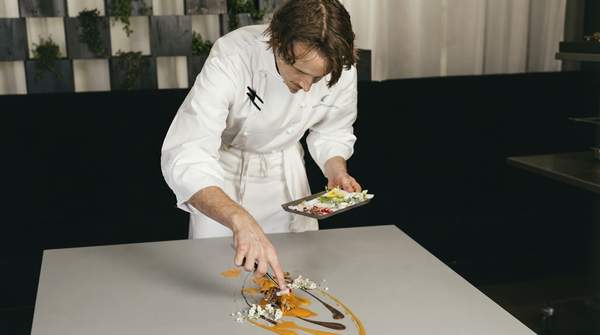
| Visual (Color, Presentation) | Chefs carefully consider the color, plating, and overall presentation of a dish. | The visual presentation and color of food can significantly influence perceived flavor, setting expectations for taste (e.g., vibrant colors suggesting freshness) and enhancing the dish's appeal before it is even tasted. |
| Auditory (Sound, Sonic Seasoning) | Chefs may incorporate sounds associated with food (e.g., crunch) or ambient music. | Auditory cues can influence the perception of crispness, freshness, and even the perceived sweetness or bitterness of food. The sound of a dish being prepared or consumed can contribute to the overall sensory narrative. |
| Neural Integration | Chefs orchestrate all sensory inputs to guide the brain's dynamic integration. | The brain integrates gustatory, olfactory, tactile, visual, and auditory cues into a unified flavor experience, forming a single, nuanced impression that chefs learn to steer. This holistic perception is the ultimate goal of culinary artistry. |