The White Barn Inn in Kennebunk, Maine, recently claimed its first Michelin star, an accolade rarely seen for a hotel restaurant beyond major US cities, according to Michelin Guide. Reservations at The White Barn Inn's restaurant surged by 300% in the week following the announcement, instantly amplifying its allure, with tables now booked months ahead, reports Hotel Management. Maine's culinary identity has long been etched by casual seafood shacks and succulent lobster rolls, not haute cuisine, as documented by Food & Wine Magazine archives. This shift ignites a clear tension between the state's cherished, accessible seafood culture and a burgeoning global fine-dining aesthetic. With significant investment and a cascade of culinary accolades, Maine's luxury hotels appear poised to cement the state's reputation as a premier culinary destination, potentially reshaping its traditional dining landscape.
Emerging Culinary Scene in Maine Hotels
Luxury travelers, 60% of whom now prioritize unique dining when choosing accommodations, according to Luxury Travel Insights, are reshaping Maine's hotel landscape. Nightly rates at the state's luxury hotels climbed 15% year-over-year, partly due to elevated dining experiences, states Travel + Leisure data. Maine now attracts more affluent foodies seeking sophisticated culinary journeys, reports a Maine Tourism Board report. High-end establishments are actively responding, tailoring their offerings to this discerning new demographic.
Investments Driving Maine's Dining Evolution
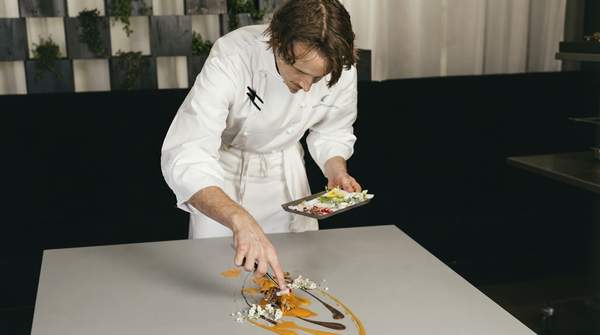
Beyond The White Barn Inn, luxury hotels like Hidden Pond and Cliff House are aggressively recruiting acclaimed chefs and funding farm-to-table initiatives, reports the Maine Hospitality Association. Chef Matthew Peters, a New York City culinary luminary, now helms Hidden Pond's kitchen, drawn by 'creative freedom and access to incredible local ingredients,' he shared in a Chef Interview. These properties have poured an average of $500,000 each into kitchen upgrades and staff training over the last two years, according to Hotel Investment Group. Booking.com analytics show dining offerings now outrank location or amenities as the top booking driver, confirming a strategic pivot as hotels transform into culinary magnets.