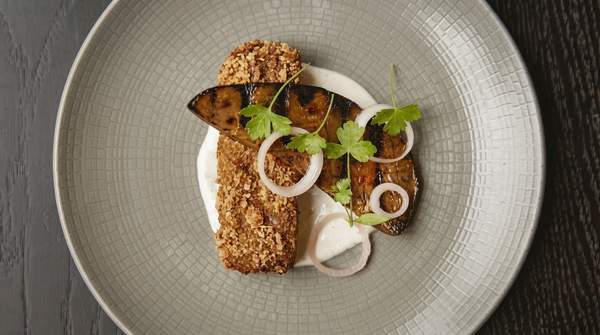
At a traditional Turkish meyhane, a meal isn't just dinner; it's a multi-hour culinary journey beginning with cold mezes like watercress in garlicky yogurt and white cheese with green melon, designed to be savored, not rushed. Each small plate invites lingering, encouraging diners to explore a spectrum of vibrant flavors and textures over an extended period.
Modern dining often prioritizes speed and convenience, yet meyhanes intentionally cultivate a drawn-out, multi-course experience. Deliberate pacing challenges the contemporary emphasis on quick consumption, fostering a different kind of culinary engagement.
Those seeking a truly immersive cultural and culinary experience will find Turkish meyhanes to be a rewarding antidote to contemporary fast-paced dining, offering a deep dive into tradition and connection.
A visit to a Turkish meyhane is designed as a drawn-out experience, not a quick meal, according to Forbes. Intentional slowness transforms dining into a social ritual, where conversation flows as freely as the rakı. It encourages patrons to relax and connect deeply over hours rather than minutes.
In an era where efficiency dictates dining, meyhanes like those on Nevizade street (archive) stand as defiant bastions, proving that consumers still crave and will seek out multi-hour culinary rituals that prioritize human connection over speed.
The Heart of Turkish Social Dining
Meyhanes can be found clustered around specific streets like Kumkapi and Tunel in Istanbul, with Nevizade being another popular street for these establishments, according to the New York Times web archive. Geographical clustering indicates they function as cultural enclaves, reinforcing their role as destinations for a distinct, unhurried social ritual rather than mere dining convenience. The emphasis on diverse, high-quality cold mezes, such as watercress in garlicky yogurt or fresh fish appetizers, elevates these initial dishes from simple starters to a central component of the meal, extending the dining experience.