
Koji
4 articles
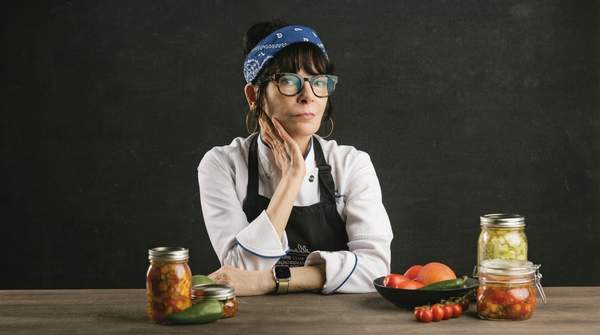
Koji, Garum and Lacto-Fermentation: How Chefs Turn Scraps into Umami
Modern chefs utilize koji, garum, and lacto-fermentation to transform food scraps into umami-rich ingredients, driving culinary innovation and significantly reducing waste. These techniques unlock deep savory flavors by breaking down proteins and sugars using microbial agents.
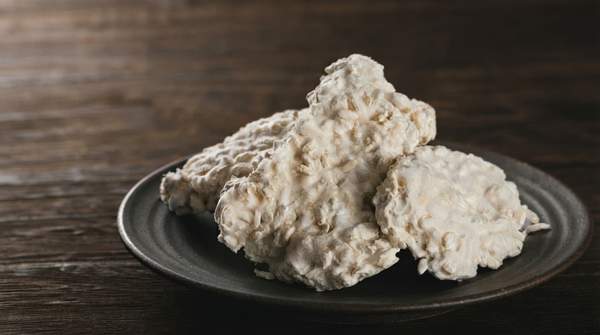
Koji's Two Enzymes: How a Mold Turns Starch Into Sweetness and Protein Into Umami
Koji, a mold culture of Aspergillus oryzae, transforms food through its two key enzymes: amylase, which breaks starches into sugars for sweetness, and protease, which breaks proteins into amino acids for umami. This enzymatic action underpins both traditional Japanese ferments and modern culinary innovations.
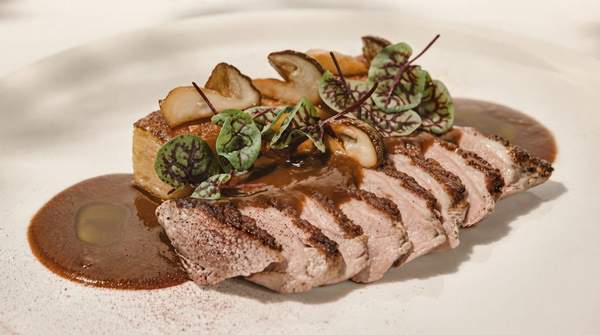
Black Garlic to Koji: The Flavors Poised to Define Gourmet Tables in 2027
Black garlic leads the 2027 Flavor of the Year forecast, highlighting emerging gourmet trends like chili crisp, sumac, and koji. These ingredients signal a shift towards darker umami, live fermentation, and globally specific flavors moving from curiosity to pantry staples.
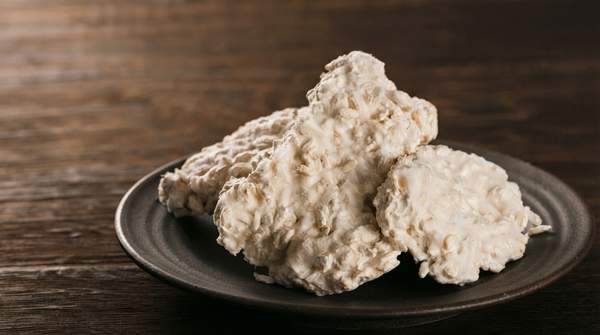
Koji, Garum, or Lacto-Fermentation: A Culinary Guide to Advanced Flavors
Explore three advanced culinary fermentation techniques: koji, garum, and lacto-fermentation. Understand their distinct biological processes and how they unlock unique flavor profiles, from deep umami to bright tang.