
Umami
5 articles

Koji, Garum and Lacto-Fermentation: How Chefs Turn Scraps into Umami
Modern chefs utilize koji, garum, and lacto-fermentation to transform food scraps into umami-rich ingredients, driving culinary innovation and significantly reducing waste. These techniques unlock deep savory flavors by breaking down proteins and sugars using microbial agents.
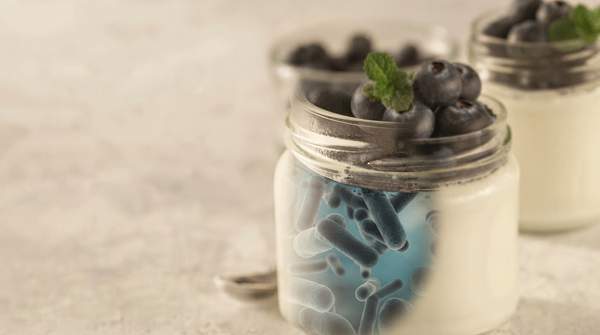
Natto, Doubanjiang, or Tepache? A Guide to Picking Your Next Ferment
Explore three unique fermented foods—Natto, Doubanjiang, and Tepache—as exciting alternatives to common options like kimchi and sauerkraut. Discover their distinct flavor profiles and culinary applications to find your next fermented adventure.
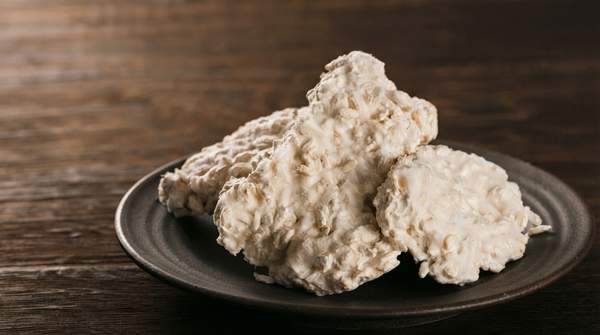
Koji, Garum, or Lacto-Fermentation: A Culinary Guide to Advanced Flavors
Explore three advanced culinary fermentation techniques: koji, garum, and lacto-fermentation. Understand their distinct biological processes and how they unlock unique flavor profiles, from deep umami to bright tang.

What is the science behind umami and its culinary applications?
A single oyster species, Crassostrea sikamea , boasts an Equivalent Umami Concentration of 449.

What is Umami Flavor and How Can You Enhance It in Cooking?
Replacing just half a teaspoon of table salt with the same amount of Monosodium Glutamate (MSG) can slash a dish's sodium content by 37%, a significant reduction for healthier eating.