Europe's Cooler Summer Spots Offer Unique Culture and Value

A recent Polarsteps survey reveals that 35% of British travelers are already planning to choose a cooler European destination for their summer holiday in 2026, according to Euronews .

AV
Adrian Vale

June 21, 2026 · 5 min read

Charming, less-crowded European town square with historic architecture and soft afternoon light, symbolizing a cooler summer destination.

A recent Polarsteps survey reveals that 35% of British travelers are already planning to choose a cooler European destination for their summer holiday in 2026, according to Euronews. This preference marks a notable re-evaluation of traditional summer vacation priorities among a significant segment of travelers. Concurrently, global searches for smaller cities have seen a 35% increase, underscoring a collective move away from established, often crowded, tourist hubs, as reported by the BBC. This shift reveals a broader desire for more unique and comfortable travel experiences, challenging the long-held allure of sun-drenched, bustling resorts.

Europe's most iconic summer events and destinations continue to attract visitors, maintaining their draw for specific traveler segments. Yet, a significant portion of travelers actively seeks cooler, less conventional alternatives to these traditional hotspots. This creates a growing disconnect between the tourism industry's promotion of established attractions and evolving consumer preferences for different types of summer experiences, hinting at a fundamental recalibration of what constitutes a desirable summer escape.

As climate change intensifies and travel costs continue their upward trajectory, the demand for 'heat escape' destinations and unique, localized experiences will likely grow. This trend fundamentally reshapes the European summer tourism landscape. Such a re-evaluation signals a lasting change in what defines a desirable summer holiday, moving beyond mere leisure to a quest for comfort and authenticity.

The Rise of the 'Heat Escape' Vacation

Iceland ranked first in the Summer Heat Escape Index with a score of 83.81 out of 100, according to Euronews. This top position confirms its appeal for travelers prioritizing climate over traditional warmth. Finland followed in second place, scoring highly due to nearly three-quarters of the country being covered by forest. Its natural environment offers extensive opportunities for outdoor activities in milder temperatures, a stark contrast to the sweltering south.

Norway secured the third spot in the index, noted for its mild summer temperatures and its unique offering of cold sea swimming. Waters there average 5.3C in August, challenging conventional expectations for summer beach holidays. These rankings emerged from a new Summer Heat Escape Index that analyzed 25 European countries, considering factors like temperature, sea swimming conditions, forest coverage, population density, and wild camping access. The very criteria of this index underscore a paradigm shift in what defines a desirable summer escape.
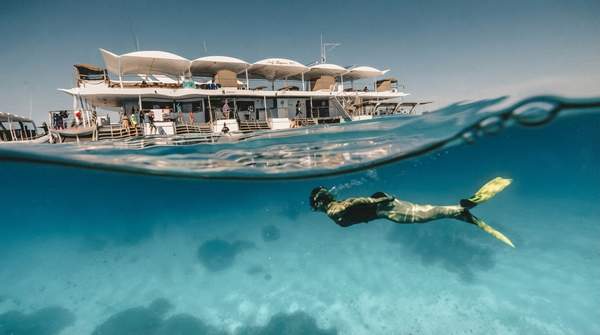

The high ranking of destinations like Norway, celebrated for its 5.3C August sea temperatures, fundamentally redefines the very essence of a European 'summer holiday.' It challenges the long-held assumption that warmth and sun are universal prerequisites for a desirable vacation. This shift confirms a behavioral change among travelers, moving towards climate-conscious choices and away from the relentless pursuit of heat.

Europe's Unique Summer Events: Beyond the Crowds

Zagreb Classic, a classical music event, takes place in King Tomislav Square, Zagreb, from June 19 to July 3, according to Forbes. This event underscores the enduring appeal of cultural spectacles in less conventional settings. Les Grandes Eaux Nocturnes offers a nocturnal spectacle in the gardens of the Palace of Versailles every Saturday night from June 6 to September 19. Such events provide distinct experiences beyond typical beach holidays, catering to a sophisticated demand for unique immersion.

The Goodwood Festival of Speed, a motorsport event, is held at Goodwood House in West Sussex from July 9-12. These specific, high-quality cultural and niche events continue to draw significant numbers of summer travelers. They often operate outside the most crowded European tourist hubs, offering a respite from the familiar tourist circuit and its associated pressures.

The continued focus on promoting traditional, often heat-prone events, as evidenced by Forbes' reporting on 80 evaluated events, suggests a potential blind spot for the European tourism industry. This focus persists while a significant portion of travelers actively seeks cooler alternatives, according to Euronews' Polarsteps survey. This misalignment risks diverging from evolving consumer preferences, potentially leaving lucrative new markets untapped.

The Shifting Value Proposition: Cost, Comfort, and Culture

Dubrovnik, Croatia, saw its prices skyrocket by 2023 compared to earlier years, according to Luxlifelondon. This escalating cost for once-popular destinations compels travelers to seek alternatives. The rising expense reduces the appeal of traditional hotspots, forcing a re-evaluation of perceived value against actual experience.

The selection criteria for evaluating top summer events included originality, cultural importance, visitor experience, visual impact, reputation, value, and international appeal. This broad set of criteria confirms a growing traveler demand for unique and authentic experiences. It also underscores a desire for value beyond mere location, suggesting a more discerning and sophisticated traveler.

Dubrovnik's skyrocketing prices and the 35% global increase in searches for smaller cities reveal the economic vulnerability of traditional, overcrowded summer hotspots. Travelers actively seek value and escape from congestion. This trend could lead to a significant redistribution of tourism revenue across the continent, favoring emerging regions that offer both respite and authenticity.

Anticipating the Next Wave of European Summer Travel

The confluence of extreme heat and soaring costs in traditional European summer destinations actively deters a substantial portion of travelers. This dynamic pushes them towards cooler, less populated alternatives, signifying more than just a new option; it marks a fundamental shift in travel decision-making. This isn't merely a preference, but a strategic adaptation to a changing world.

This shift towards cooler destinations is a forward-looking behavioral change, rather than a fleeting trend. A significant segment of travelers is actively planning their 2026 holidays around climate and crowd avoidance. This confirms a sustained re-evaluation of summer travel priorities, prioritizing comfort and experience over conventional sun-seeking.

Furthermore, the definition of a desirable 'unique European summer experience' is evolving. It moves from iconic cultural spectacles to encompass immersive natural escapes. Destinations offering vast forests, opportunities for wild camping, and even cold sea swimming are gaining significant appeal over traditional event-centric tourism, reflecting a deeper desire for connection with the environment.

As climate concerns and the search for authentic experiences intensify, destinations offering cooler climates, unique cultural events, and better value will likely redefine the European summer travel market for years to come, potentially rebalancing tourism revenue across the continent.