Top 5 Underrated Summer Travel Destinations for Unique Cultural Experiences

While popular Indian hill stations like Shimla and Manali overflow with 50,000 tourists daily during peak summer, hidden gems in regions like Spiti Valley offer serene landscapes and vibrant local cul

AV
Adrian Vale

May 8, 2026 · 4 min read

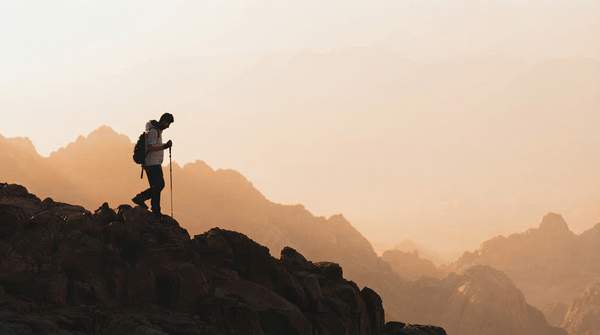
Serene Spiti Valley landscape with majestic mountains, a river, and an ancient monastery, showcasing a unique cultural travel experience.

While popular Indian hill stations like Shimla and Manali overflow with 50,000 tourists daily during peak summer, hidden gems in regions like Spiti Valley offer serene landscapes and vibrant local culture to a fraction of the visitors. This volume transforms tranquil escapes into crowded urban replicas. Many travelers seek unique summer experiences, yet consistently choose well-trodden paths leading to predictable crowds and inflated prices. This creates a stark contradiction: the desire for 'authentic' travel experiences has increased by 45% among Indian travelers in the last five years, according to a Travel Trends Survey, even as popular summer destinations see a 30-50% surge in tourist numbers, reports a Travel Industry Report. This disconnect reveals a market ripe for disruption. A significant shift towards exploring lesser-known destinations for summer travel appears likely, offering both economic benefits to new regions and enhanced experiences for tourists.

Beyond the Crowds: India's Hidden Summer Gems

A Moneycontrol article identifies five offbeat summer destinations that defy the usual crowds. These locations promise diverse cultural and natural attractions, a stark departure from the generic experiences dominating popular hubs. Their appeal lies not just in their beauty, but in their capacity to redefine summer travel as an intimate, rather than mass-market, pursuit.

1. Spiti Valley

Best for: Adventure seekers, cultural enthusiasts, photographers

Spiti Valley, per the Local Tourism Board, offers ancient monasteries and stark Himalayan landscapes. Its high-altitude desert environment provides a cool escape, attracting those seeking profound solitude and unique cultural immersion.

Strengths: Unspoiled natural beauty, rich Buddhist heritage, low tourist density | Limitations: Remote access, limited modern amenities, high altitude requires acclimatization | Price: Moderate

2. Tawang

Best for: Spiritual travelers, nature lovers, those seeking tranquility

Tawang in Arunachal Pradesh blends Buddhist culture, scenic beauty, and tranquility, notes a Regional Travel Blog. Home to one of India's largest monasteries, it offers breathtaking mountain views.

Strengths: Deep cultural experience, stunning vistas, peaceful atmosphere | Limitations: Inner Line Permit required, challenging terrain, monsoon season can affect travel | Price: Moderate

3. Daringbadi

Best for: Relaxation, nature walks, coffee plantation tours

Known as 'Kashmir of Odisha', Daringbadi offers cool temperatures and coffee plantations, a unique draw in Eastern India, states Odisha Tourism. Its refreshing climate and lush greenery stand apart from typical summer crowds.

Strengths: Pleasant climate, unique agricultural landscape, low commercialization | Limitations: Fewer historical sites, limited adventure sports, less developed infrastructure | Price: Budget-friendly

4. Pithoragarh

Best for: Trekkers, cultural explorers, mountain enthusiasts

Pithoragarh in Uttarakhand, a gateway to the Himalayas, boasts rich Kumaoni culture and trekking, according to Uttarakhand Tourism. Its strategic location offers access to peaks, valleys, and vibrant local traditions.

Strengths: Trekking base, authentic Kumaoni culture, panoramic mountain views | Limitations: Primarily a transit point for treks, fewer luxury accommodations, can be crowded during peak trekking season | Price: Budget-friendly to Moderate

5. Chopta

Best for: Bird watchers, short trekkers, yoga and meditation retreats

Chopta, the 'Mini Switzerland of India', offers lush meadows and Himalayan views, including Trishul and Nanda Devi. A base for treks to Tungnath and Chandrashila, it provides a serene environment for nature lovers.

Offbeat vs. Mainstream: A Clear Advantage

A quantitative comparison reveals significant benefits for travelers choosing offbeat destinations. Average daily footfall in Manali during summer can exceed 20,000, while destinations like Tawang see less than 2,000, according to Tourism Data Analytics. This disparity fundamentally alters the travel experience, shifting it from mass tourism to intimate exploration.

MetricMainstream Destinations (e.g. Manali)Offbeat Destinations (e.g. Tawang)
Average Daily Visitors>20,000<2,000
Accommodation Cost ComparisonTypically 20-40% higherTypically 20-40% lower
Cultural Immersion OpportunitiesLimited, often curated for touristsSignificantly more accessible, authentic local interaction
Overall ExperienceCrowded, higher prices, less authenticSerene, lower cost, genuine cultural connection

Beyond crowds, offbeat locations offer tangible advantages. Accommodation costs are typically 20-40% lower than in established hubs, based on Travel Booking Data. Moreover, cultural immersion, through homestays and local festivals, is significantly more accessible, as reported by Traveler Reviews. These financial and experiential gains offer a superior value proposition, making the discerning traveler's choice clear.

The Sustainable Choice for a Richer Journey

Opting for lesser-known places directly supports local economies, fostering sustainable tourism, as highlighted by an Economic Impact Study. This model allows communities to thrive without the negative impacts of mass tourism, such as over-commercialization and resource strain, proving that genuine cultural exchange can also be economically empowering.

Travelers report higher satisfaction and a greater sense of discovery in uncrowded, culturally rich areas, according to Post-Travel Surveys. This suggests a shift in traveler priorities: the perceived value of an authentic, peaceful experience now outweighs the convenience of popular, yet diluted, destinations. Furthermore, the environmental footprint per tourist is significantly lower in destinations with managed, smaller visitor numbers, states an Environmental Tourism Report, directly contributing to the preservation of these unique regions.

This conscious shift towards offbeat destinations could redefine the very essence of summer travel, moving beyond mere escapism to foster genuine connection and sustainable economic growth. The question remains: will mainstream tourism adapt, or will it be left behind by a new generation of discerning explorers?

Your Questions Answered: Planning Your Offbeat Adventure

How accessible are these offbeat destinations?

Many offbeat destinations now boast improved road connectivity and basic amenities, making them more accessible than often perceived, according to Infrastructure Development Reports. While some areas remain challenging, more hidden gems are reachable via well-maintained roads, reducing travel time and effort.

As more travelers seek authentic experiences, the infrastructure and support for exploring these unique regions will likely continue to evolve, making offbeat adventures increasingly viable.