A signed pair of Air Jordans from 1985 sold for over half a million dollars, setting a new benchmark for vintage sportswear. This wasn't just a sale; it was an investment in history, a tangible link to a pivotal decade that still shapes our collective imagination, according to CNN.
Consumers are increasingly seeking unique, expressive styles and valuing vintage pieces, but the fashion industry often prioritizes rapid, disposable trends. A growing tension is created as individual desire for authenticity and lasting value clashes with a system built on fleeting fads and mass production.
The sustained interest in 80s fashion suggests a deeper cultural shift: a rejection of understated trends in favor of individuality, longevity, and statement pieces. Get ready for a more vibrant, diverse fashion landscape.
The Return of Power Dressing and Bold Silhouettes
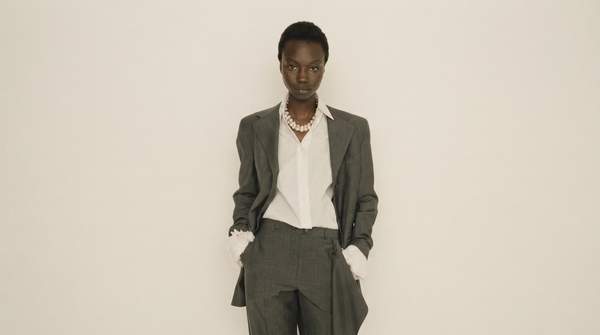
The contemporary fashion scene isn't just glancing back at the 80s; it's a full-on embrace of assertive silhouettes and vibrant aesthetics. Power dressing, with its sharply tailored jackets and broad shoulder pads, is back. This isn't just nostalgia; it's a sartorial rebellion against years of minimalist fatigue, offering a structured counterpoint to casual styles. Once a symbol of corporate ascent, these distinctive shoulder pads and oversized blazers now help individuals reclaim control and presence through their wardrobe, moving beyond subdued palettes. Printful notes their significance during the 80s.
Beyond boardroom looks, 80s casual wear is also making a comeback. Neon colors—electric pink, acid green, citrus yellow, orange—were prevalent then, according to Printful. Now, these bold hues integrate into everyday wear, signaling optimism and playful escapism. Leg warmers and athletic looks, born from the aerobics boom, influenced 80s street style, Printful says. Their modern iterations fuse comfort with expressive, retro flair. This blend of structured confidence and playful vibrancy points to a multifaceted return to the maximalist spirit, allowing for diverse self-expression.
Quantifying the Retro Wave: Search Trends and Predictions
- +20% — Search interest in “snakeskin” is up by this amount in the past year, according to Blog Google.
- 30%+ — Interest in shoulder pads has risen overall by this amount over the past year, according to Blog Google.
- 240% — Search interest for polka dots is up by this amount in Australia over the past year, according to Blog Google.
- All-time high — Search interest in brooches reached this level this year, according to Blog Google.
- 2026 — This year is predicted to be the year of comeback fashion trends, according to InStyle.
Diverse, global search trends, coupled with expert predictions, confirm a significant, sustained 80s revival across fashion categories. The surge in "snakeskin" and "polka dots" shows consumers crave bold patterns, moving away from subdued aesthetics. An all-time high in brooch interest points to a deeper dive into statement pieces and personalized adornment. Consumers are actively curating wardrobes that project power and individuality. This collective shift towards distinctive style, predicted to intensify in 2026, rejects understated aesthetics for a more assertive personal brand.
Beyond Nostalgia: Why the 80s Resonate Now
The 80s fashion embrace isn't just nostalgia; it's a collective desire for optimism, empowerment, and playful escapism in an uncertain world. The decade's unapologetic boldness and vibrant energy offer a stark contrast to recent minimalist trends, providing a visual language for defiant self-expression. In an era of global instability, the maximalist spirit of the 80s offers a dynamic retreat, a sartorial declaration of confidence. Structured power dressing empowers wearers with control, while neon colors inject joy. Consumers seek styles that make them feel strong, playful, and distinct.
This drive for unique, expressive styles clashes with the fashion industry's rapid, disposable trends. When consumers invest in vintage 80s pieces or statement items, they choose longevity and authenticity over fleeting fads. This deliberate choice reveals a desire for clothing that tells a story, holds value, and makes an assertive, individualistic statement. The 80s aesthetic becomes a vehicle for deeper cultural commentary, projecting confidence and optimism in a complex world.
Modern Interpretations: How 80s Styles Are Worn Today
Today's fashion isn't replicating 80s looks wholesale; it's thoughtfully integrating key elements into fresh ensembles. Instead of head-to-toe vintage, modern interpretations offer a strategic nod to the decade, blending iconic 80s components with contemporary pieces. Oversized blazers and structured shoulder pads, once part of a complete power suit, now pair with relaxed denim or tailored trousers. This creates a powerful, approachable silhouette without appearing costumey.
The vibrant 80s color palettes are also recontextualized. Full neon outfits might be rare, but pops of electric pink or acid green appear in accessories, footwear, or as a single statement garment. This lets the joyful, optimistic spirit of 80s colors shine through in a refined, adaptable manner. Bold retro prints, ubiquitous back then, now often feature on a single statement skirt, a stylish blouse, or an accessory, providing a focal point without overwhelming the look.
Even denim on denim, a classic 80s pairing, sees modern updates. Today's Canadian Tuxedo plays with varying denim shades, textures, and silhouettes—perhaps a darker wash oversized jacket with lighter wash straight-leg jeans. This evolution shows a sophisticated understanding of 80s aesthetics, adapting them to current sensibilities while retaining their distinctive character. Consumers want expressive styles that integrate historical inspiration with contemporary flair, moving beyond imitation to genuine sartorial evolution.
The Future is Bold: Implications for Fashion and Consumers
Consumers are actively curating wardrobes that project power and individuality, rejecting understated aesthetics for a more assertive personal brand. Google's data shows significant increases in search interest for 'snakeskin,' 'shoulder pads' (+30%), and 'brooches' (all-time high). Concentrated search activity means consumers aren't passively absorbing trends; they're actively seeking specific elements for a strong, distinct personal statement. The implication for the fashion industry is clear: growing demand for structured, high-impact pieces offering longevity and expressiveness. Fast fashion brands will struggle to adapt. Those reinterpreting 80s aesthetics skillfully will gain, while minimalist styles may fade.
This 80s revival isn't fleeting; it's a leading indicator of a sustained consumer shift towards investing in enduring style and historical authenticity. The half-million-dollar sale of 1985 Air Jordans, according to CNN, coupled with InStyle's prediction of 'comeback fashion trends' in 2026, reinforces this. Monetary value placed on vintage items, alongside industry predictions, points to a deeper consumer investment in fashion's legacy and authenticity. Consumers increasingly value items with intrinsic worth and a story, moving away from disposable purchases. Designers have an opportunity to create pieces with lasting appeal, using durable materials and timeless designs. The fashion cycle itself appears to slow in certain segments, favoring quality and meaningful design.
Consumers are using fashion as a vibrant form of escapism and optimistic self-expression, leveraging the era's maximalist spirit to counter contemporary anxieties. Widespread adoption of diverse 80s elements—from 'neon colors' and 'denim on denim' (Printful) to 'polka dots' (blog.google)—reveals this sentiment. The diverse appeal of various 80s aesthetics suggests consumers seek multiple avenues for self-expression, embracing maximalism as a counterpoint to global instability. This implies fashion's future will be less about a singular dominant trend and more about a fragmented, pervasive yearning for individualistic statements. Brands offering versatile, bold, and expressive collections will likely thrive, empowering consumers to curate unique identities. This shift departs from uniform aesthetics, fostering a more colorful, personally curated fashion landscape.
By Q3 2026, fashion retailers who adapt to this sustained consumer demand for assertive, expressive 80s-inspired aesthetics, particularly those offering high-quality, structured garments and unique accessories, will likely see increased engagement and sales, as consumers continue to invest in enduring style over disposable trends.