The Modern Dispatch
LifestyleCultureProductsFood & Drink
The Modern Dispatch

Curating Contemporary Culture, Thoughtfully Delivered.

The Modern Dispatch explores the intersection of lifestyle and culture, offering insightful perspectives on trends, travel, food, and the people shaping our world. We deliver quality content with a sophisticated edge, providing readers with a curated view of modern living.

Sections

  • Lifestyle
  • Culture
  • Products
  • Food & Drink
  • Travel
  • Trends
  • Experiences

Writers

Meet our writers →

Trending Topics

Wellness2026CommunityFall Fashion2026 Trends

About

  • Contact
  • Privacy Policy
  • Terms of Service

© 2026 The Modern Dispatch. All rights reserved.

  1. Home
  2. /Food & Drink
  3. /Fermented Foods: Health Benefits, Risks, and Guidelines
Food & Drink

Fermented Foods: Health Benefits, Risks, and Guidelines

Participants in one study who consumed fermented foods daily for 10 weeks experienced a significant reduction in 19 inflammatory proteins, including interleukin 6, according to Cedars-Sinai .

CR
Camila Roque

August 20, 2026 · 5 min read

A visually appealing spread of diverse fermented foods including kimchi, sauerkraut, yogurt, and kombucha, showcasing their textures and colors on a rustic table.

Participants in one study who consumed fermented foods daily for 10 weeks experienced a significant reduction in 19 inflammatory proteins, including interleukin 6, according to Cedars-Sinai. A significant reduction in 19 inflammatory proteins suggests fermented foods are more than ancient dietary staples; they are potent dietary interventions with measurable impacts on systemic inflammation. Such reductions could hold significant implications for managing chronic health conditions in 2026.

However, the growing recognition of fermented foods for their profound health benefits contrasts sharply with the risks of improper preparation. Uncontrolled fermentation methods can inadvertently introduce dangerous pathogens like E. coli and Salmonella, thereby negating the very advantages consumers seek. This delicate balance means the 'health food' label is conditional, depending heavily on production integrity.

As global interest in fermented foods expands, a greater emphasis on controlled fermentation processes and comprehensive consumer education will be crucial to safely harness their full nutritional and health potential. Without rigorous oversight, traditional preparation methods become a gamble rather than a guarantee of well-being, exposing consumers to avoidable health risks.

In one study, individuals who incorporated fermented foods into their daily diet for 10 weeks observed lower levels of 19 distinct inflammatory proteins, including the key inflammatory marker interleukin 6, according to Cedars-Sinai. Lower levels of 19 distinct inflammatory proteins suggest that fermented foods are not merely traditional dietary components but potent agents capable of modulating the body’s inflammatory pathways. The dramatic reduction in these markers points to a potential for fermented foods to play a substantial role in mitigating chronic inflammation, a factor implicated in numerous health challenges observed in 2026. The dramatic reduction in these markers positions fermented foods as more than just culinary delights; they are emerging as critical tools for dietary intervention.

More Than Just Pickles: Defining Fermented Foods

Fermented foods are products that have undergone controlled microbial growth and fermentation, a specific process defined by Med. This control is essential, allowing beneficial microorganisms, such as bacteria or fungi, to transform the food's components. During this process, the accumulation of alcohol and organic acids plays a dual protective role. These compounds actively inhibit the growth of other, potentially harmful microorganisms and reduce enzyme activity, thereby extending the food's shelf-life, as reported by PMC. This fundamental mechanism underpins both the unique flavors and textures of fermented foods and their historical importance in food preservation across diverse cultures.

Unlocking Benefits: The Microbial Magic of Tempeh

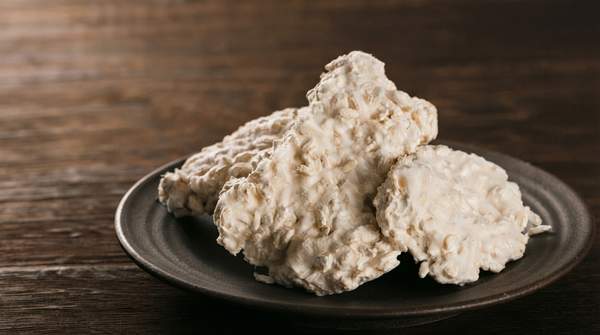
Tempeh, a notable fermented food, is produced through the solid-state fermentation of soybeans, and increasingly other legumes, by specific Rhizopus species, according to Nature. Scientific understanding of this process has advanced significantly through "omics technologies," including genomics, metagenomics, and metabolomics. These technologies provide high-resolution mapping of metabolite fluxes, gene expression, and the complex microbial communities involved in tempeh fermentation. The fermentation of tempeh notably increases its digestibility and generates a range of bioactive compounds. These include peptides, isoflavone aglycones, folate, and γ-aminobutyric acid (GABA), all of which are linked to important health benefits such as cardiovascular protection, improved mineral bioavailability, and enhanced gut health. Advanced scientific tools thus reveal that the intricate microbial interactions in foods like tempeh are directly responsible for a cascade of health-promoting compounds and enhanced nutrient absorption, illustrating the precise biological mechanisms at play.

The Dark Side of Fermentation: Understanding the Risks

Dangerous pathogens, including E. coli, Shigella spp. Salmonella spp. Staphylococcus aureus, Listeria monocytogenes, and Bacillus cereus, have been detected in fermented foods originating from parts of Africa and Asia, as detailed by PMC. The detection of dangerous pathogens in fermented foods underscores significant public health risks associated with certain preparation methods. Uncontrolled fermentation processes, often resulting from poor quality ingredients, inadequate hygiene standards, or a complete lack of safety controls, directly contribute to the presence of these pathogenic microorganisms or their harmful toxins. While fermentation naturally inhibits pathogens, this protective mechanism can fail without proper oversight. Consumers embracing fermented foods for their perceived health benefits are often unaware they are gambling with their gut health, as the absence of official serving guidelines and the prevalence of uncontrolled preparation methods mean potential benefits frequently come with significant, avoidable risks. The scientific community's deep understanding of specific fermented products like tempeh, revealed through 'omics technologies', stands in stark contrast to the widespread lack of safety controls and pathogen detection in traditionally prepared fermented foods, indicating a critical need for bridging this knowledge gap to ensure public safety.

A Cornerstone of Diet: Fermented Foods and the Microbiome

Fermented foods significantly affect the gut microbiome in both the short and long term, positioning them as an important element of the human diet, states PMC. The profound influence these foods exert on gut health extends beyond the digestive system, impacting broader physiological functions such as immune response, metabolic regulation, and even mood. By fostering a diverse and balanced microbial community, fermented foods contribute to the integrity of the gut barrier and the production of beneficial metabolites. This intricate interaction between fermented foods and the microbiome underscores their critical role in maintaining long-term health and overall well-being, making them a foundational component of a healthy diet in 2026.

How Much is Enough? Navigating Fermented Food Guidelines

Are there official serving guidelines for fermented foods?

Official guidelines for fermented food servings do not currently exist, according to Med. This absence means consumers must rely on general nutritional advice, personal tolerance, and product-specific information. Further scientific research is necessary to establish optimal consumption levels for various fermented products to maximize benefits safely.

Cultivating Health: The Future of Fermented Foods

The tension between the celebrated health benefits of fermented foods and the risks of uncontrolled preparation remains central to public health discussions in 2026. While scientific advancements reveal the intricate microbial processes yielding beneficial compounds in products like tempeh, this knowledge often does not translate to traditional preparation methods. Moving forward, the integration of traditional practices with rigorous scientific understanding will be essential to fully realize the health potential of fermented foods while ensuring their safety for all. For instance, by Q4 2026, consumer education initiatives, possibly led by public health organizations, could begin to bridge the knowledge gap, advising on safe sourcing and preparation. This proactive approach aims to empower consumers to make informed choices, shifting from a gamble to a guarantee of well-being.

Related Coverage from Food & Drink

  • Top 10 Fall 2026 Food and Drink Trends Shaping Gen Z's Palate
  • EPCOT Food and Wine Festival 2026 Unveils New Culinary Creation
  • What the impact cultural exchange

Tags

Fermented FoodsGut HealthProbioticsNutritionFood SafetyInflammationDietary Interventions
CR

Camila Roque

Food & Travel Writer

Camila Roque covers food, drink, and travel for The Modern Dispatch, offering readers a sensory-rich perspective on global culinary scenes and immersive travel experiences. Her writing focuses on bringing the unique flavors and cultures of the world's most exciting destinations to life.

More from Food & Drink

A magical evening at EPCOT's Food and Wine Festival with dazzling fireworks and guests enjoying unique culinary creations.

EPCOT Food and Wine Festival 2026 Unveils New Culinary Creation

Disney just unveiled a tantalizing glimpse into the 2026 EPCOT International Food & Wine Festival, still two years out.

Camila Roque· Aug 19
Diverse group of Gen Z friends enjoying trendy fall food and drinks at an outdoor festival, highlighting sensory experiences and social connection.

Top 10 Fall 2026 Food and Drink Trends Shaping Gen Z's Palate

Despite an 8% decline in overall adult alcohol consumption since 2023, Gen Z's reported drinking in the last six months surged from 46% in 2023 to 70% by 2025, according to Extension Psu .

Camila Roque· Aug 19
A close-up of a glass bottle of raw milk with a drop falling, symbolizing potential health risks and the controversial nature of unpasteurized dairy.

Raw Milk Trend: Risks and Unproven Benefits for Consumers

A newborn baby in New Mexico tragically succumbed to a listeria infection, a devastating outcome believed to have originated from the mother's consumption of raw milk during pregnancy.

Camila Roque· Aug 16
A lively evening at the 2026 Iowa State Fair, showcasing diverse food options, exciting attractions, and a festive atmosphere with crowds enjoying the entertainment.

2026 Iowa State Fair food, attractions, and entertainment guide released

At the 2026 Iowa State Fair, visitors can bite into a Saigon Birria Pupusa, a vibrant fusion of Vietnamese pho and Salvadoran pupusa, or witness the audacious spectacle of a Mullet Contest.

Camila Roque· Aug 16

Trending Now

1
Futuristic cityscape with floating digital art installations and a holographic AI-generated artwork in the foreground.

5 Influential Art Movements Reshaping the Global Scene

Culture· 16 views
2
Stylish person carrying a large, glossy crocodile leather shoulder bag on an autumn city street, embodying Fall 2026 accessory trends.

Top 3 Fall 2026 Accessories Trends You Need for Autumn Style

Trends· 11 views
3
A recreated 1930s dress displayed at Ruse Central Railway Station, symbolizing the fusion of heritage and sustainability at Ruse Fashion Week 2026.

Ruse Fashion Week 2026 Spotlights Heritage and Global Sustainability

Trends· 9 views
4
Festival-goers at Coachella 2026 wearing trendy crochet and metallic outfits, capturing the essence of spring summer fashion.

Spring Summer 2026 Festival Fashion Trends Declared for Coachella

Trends· 14 views
5
Diverse individuals of all ages and abilities enjoying an inclusive and accessible cultural center, showcasing universal design principles in action.

Universal Design for Inclusive Cultural Experiences & Community Engagement

Experiences· 11 views
6
A solo traveler overlooks a picturesque, underrated European city at sunset, symbolizing adventure and affordable exploration.

Top 5 Underrated European Cities Perfect for Solo Travel

Travel· 10 views